The jazz era was an inseparable and emblematic era of the 1920s. The bombastic decade changed the course of American culture forever. Characterized by the element of improvisation and rhythmic freedom, jazz did not only redefine the very concept of music; it also affected other arts—such as fashion. The paper delves deep into the complex interrelationship of jazz and fashion in this era. Also, it will detail how music themes of rebellion and movement came to affect different clothing attire, especially on women. We will check more on the emerging “flapper” and how jazz fashion broke classic feminine looks to reflect more societal and cultural changes of the Roaring Twenties.
Jazz Era: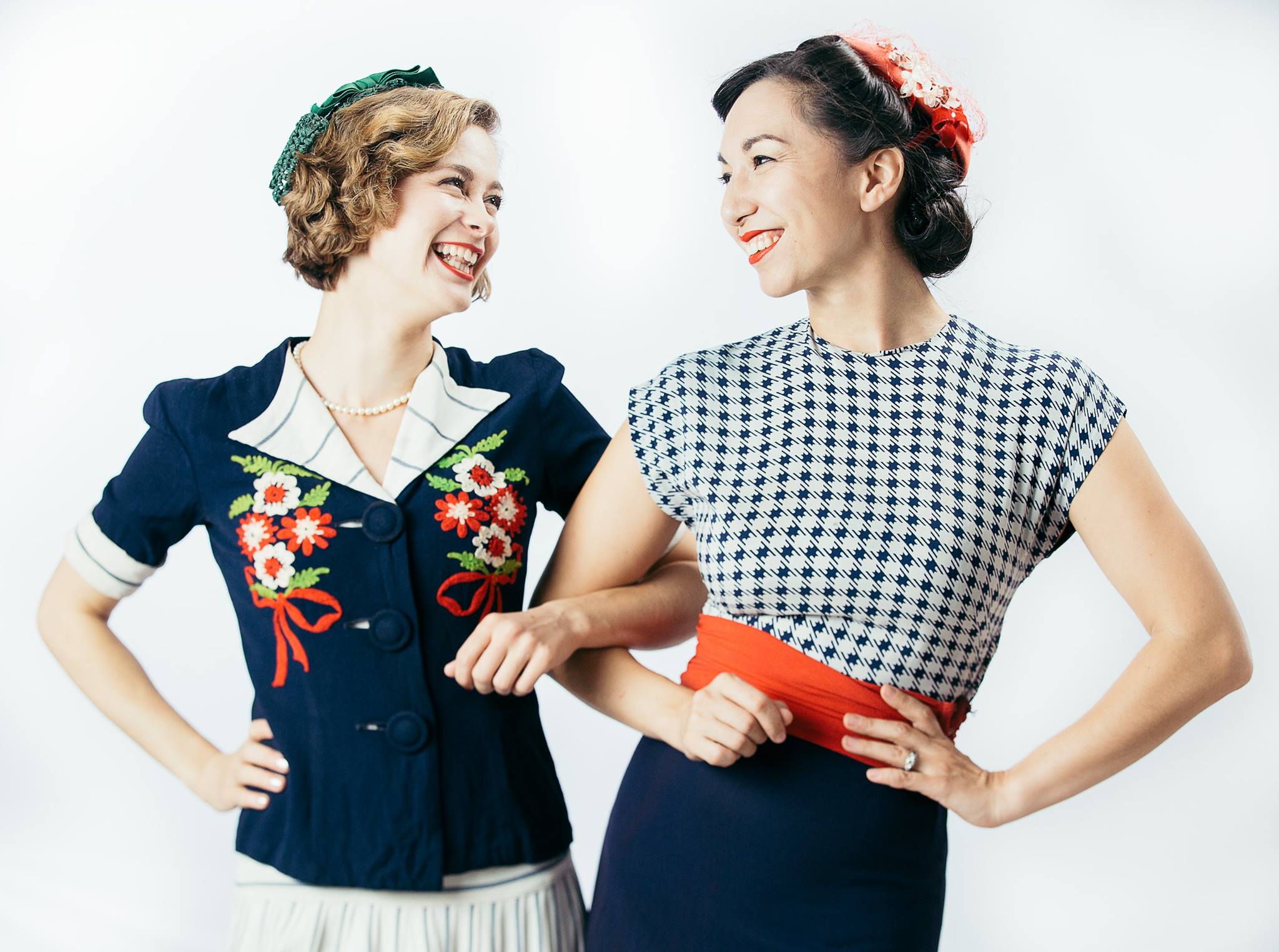
The 1920s are traditionally referred to as the age of jazz, though in reality, it was the moment of great social and cultural change within the United States. World War I had left such an imprint on the people that it resulted in a general disbelief in the traditional values and institutions and a feeling for emancipation. The sense of liberation found expression in all walks of American life, and no better representation of this feeling could be taken up than jazz. With its improvised rhythms and emphasis on individual expression, jazz became the toast of audiences, a true symbol of the vibrancy of the times.
The Rise of Jazz and the Demise of Corsets:
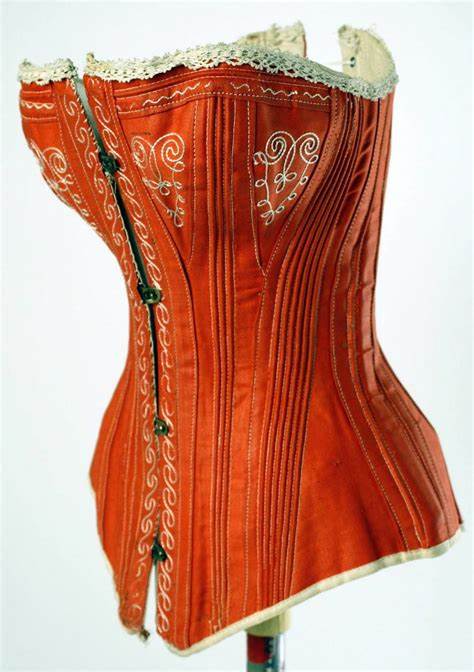
The early 1920s saw a sudden spurt of popularity in jazz music, with jazz bands first growing out of the African American communities in New Orleans and then moving northwards to entertain with vigor and syncopated rhythms. This new musical form blew up all conventional musical structures with its emphasis on improvisation and self-expression. Its evolution also coincided with emergent social change, a change driven by desires for change being amplified, especially by women. This tight constrictive clothing of the Victorian era—tight corsets and long hemlines—was seen as more and more outmoded and cumbersome.
The Flapper and its Dress:
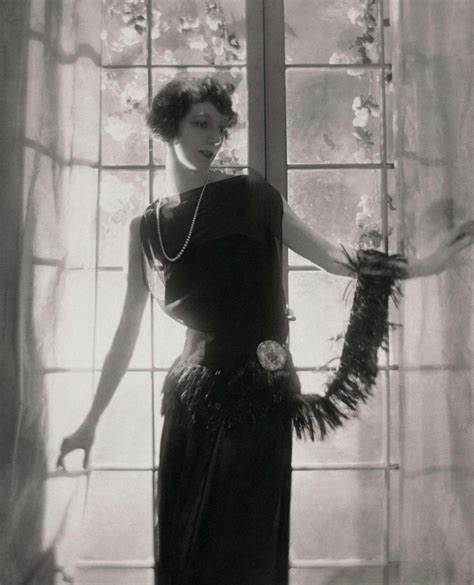
The desire for emancipation finally found its expression in the coming up of the “flapper,” the young, fashionable lady who adopted a new, freer style. Flappers bobbed their hair, a remarkable far cry from the long, highly ornamented hairstyles of ten years earlier. More importantly, they donned the now-iconic flapper dress: a loose, straight-cut garment down to just below the knees. This shift in silhouette from the confining corset to a far easier, more comfortable one was reflected directly from the influence of jazz music. Looser fit, dropped waistline and these features gave women an easier freedom of movement, which was essential for dancing the energetic Charleston, a very popular dance craze of the period.
Beyond the Dress
Accessories and Embellishments:
Beadwork, fringe, feathers—the costumery here gave clothing lightness of play, an energy driven by that impromptu spirit behind jazz music itself. Accessories most characteristic of the period were headbands, festooned either with feathers or sequins, further emphasizing an era madly in love with ornamentation.
Social and Cultural:
Flapper style was not only a simple fashion trend. More drastic yet, they could violate the conventional aspects of femininity through the introduction of briefer hemlines and seemingly unstructured silhouettes. The flapper dress epitomized new freedom of movement and expression, illustrative of changing ideas about women’s place in the world. In this sense, jazz, improvisatory and self-expressive, was a musical mirror of such movements. Both jazz and flapper fashion articulated the repulsion of a rigid past with strict norms to it and expression for a new way of life, much freer.
Beyond the Flapper
Menswear and the Influence of Jazz: The greatest influence of jazz in fashion was in women’s wear, but men’s fashion did not go scot-free either. In actual fact, there was a drift towards a free, flowing garb in the suits and profiles, translating into the casual and relaxed styles tailored for the women; many jazz musicians were reported to strut in Zoot suits; these are, by instance: baggy trousers and high-waist trousers that declare independence and nonconformity.
Conclusion:
The Jazz Age was a time of significant dynamism in the culture and social change. That vigor of jazz, with its infectious beat and emphasis on improvisation as a way to express individualism, hit hard within American society, not least of all within realms of fashion. The emergence of the flapper and shifting women’s styles speak of a certain desire for liberation from traditional feminine ideals. Such effects upon fashion go beyond those historical moments of jazz. It is primarily this strong association with comfort, movement, and individuality which refers the most to today’s fashion. As the flapper dress came to symbolize the most potent emblem of women’s liberation, today reflecting most of the effect of any cultural uprising.