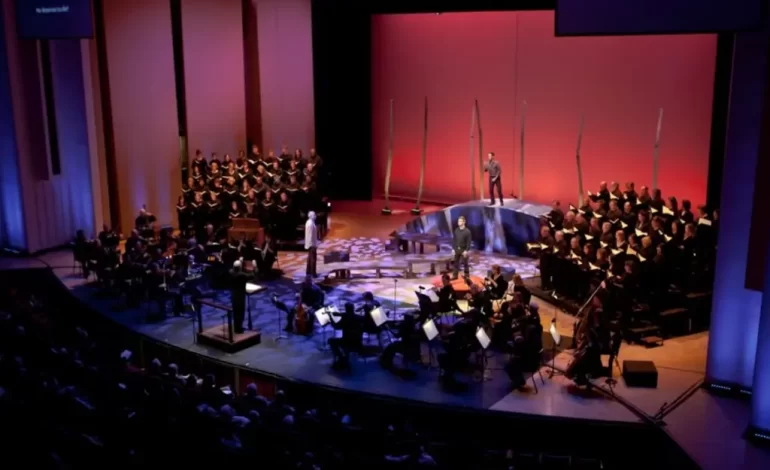
The Indian film industry, a dazzling kaleidoscope of song, dance, drama, and action, enthralls audiences not just in India but across the world. Often misconstrued as solely Bollywood, which is the Hindi-language film industry based in Mumbai, Indian cinema boasts a rich tapestry woven with diverse regional productions. This cinematic giant has a history as captivating as the stories it tells, a journey that began with a flicker of silent film over a century ago.
Indian Film Industry and the Dawn of Celluloid Dreams (1913):
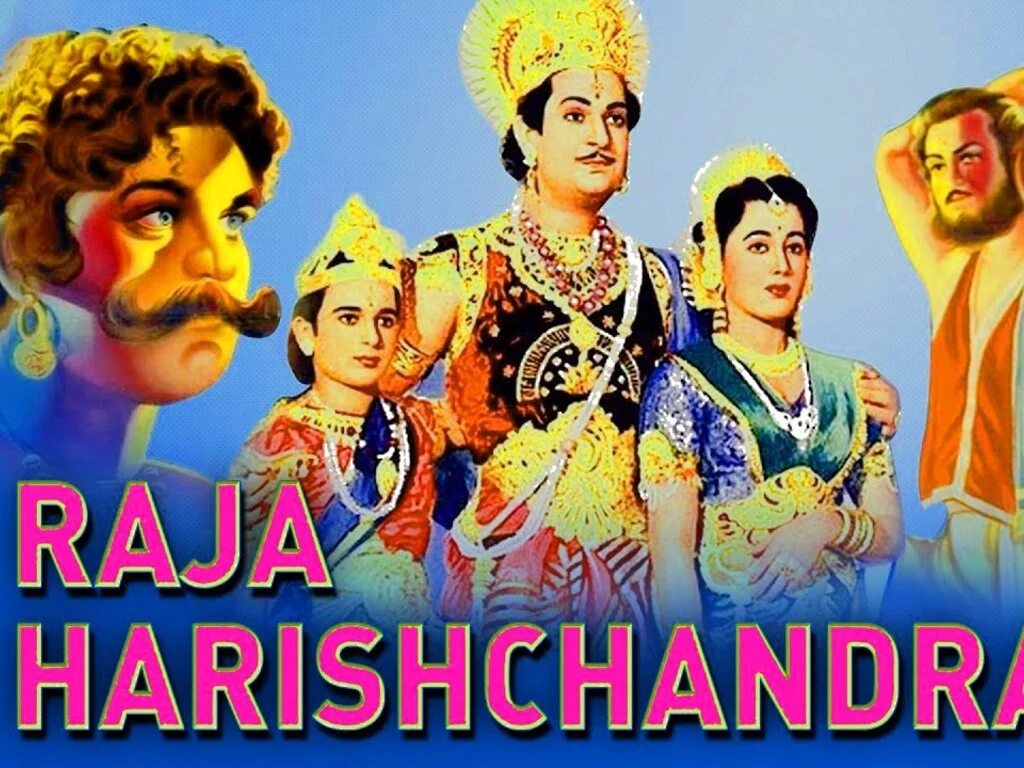
The year is 1913. Dadasaheb Phalke, a visionary filmmaker driven by a passion for storytelling, unveils his groundbreaking creation – Raja Harishchandra. This silent film, based on the legendary king renowned for his unwavering truthfulness, is widely regarded as the first full-length feature film made in India. Though there’s debate regarding an even earlier film, Shree Pundalik (1912), Raja Harishchandra’s impact is undeniable. Using Marathi and English intertitles to bridge the narrative gap, the film laid the foundation for the storytelling magic that would become synonymous with Indian cinema.
Silent Screens and Thespian Expressions (1913-1930s):

The nascent years of Indian cinema, fondly referred to as the Silent Era, were dominated by mythological and historical tales. The absence of sound placed immense emphasis on visual storytelling. Actors relied heavily on facial expressions, body language, and dramatic gestures to convey emotions. These silent features often employed innovative techniques like dramatic close-ups, parallel editing, and symbolism to weave a narrative tapestry. Films like Dadasaheb Phalke’s “Sairandhri” (1912) and “Mohini Bhasmasur” (1913) showcased the power of silent storytelling, laying the groundwork for the future.
The Talkies Arrive and Melodies Take Flight (1930s-1950s):
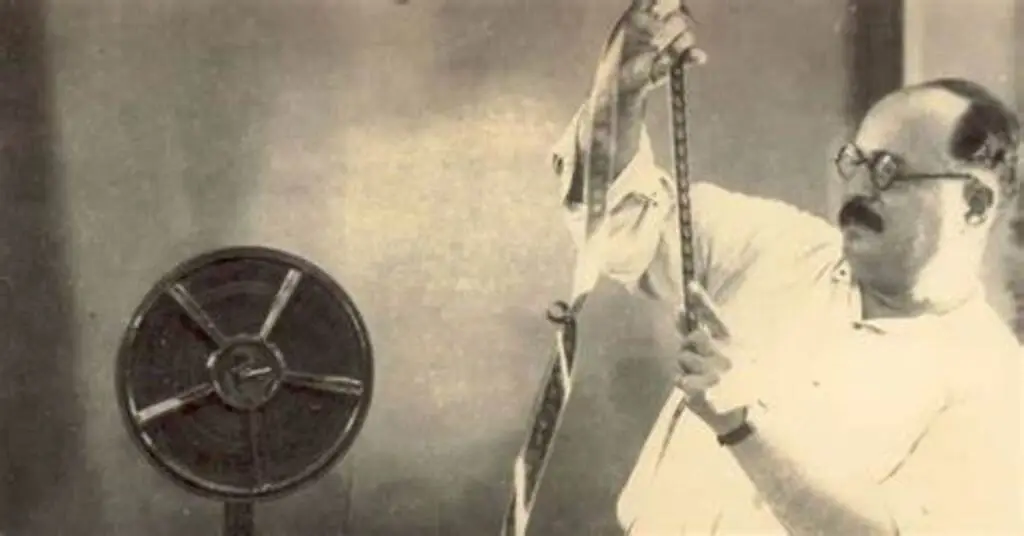
The arrival of sound in the 1930s revolutionized Indian cinema. The ability to incorporate spoken dialogue, music, and sound effects opened up a whole new world of possibilities. Musical numbers became an integral part of the narrative, creating a unique blend of storytelling and song that would become a defining characteristic of Indian films. Pioneering filmmakers like Ardeshir Irani and Abdur Rashid Kardar experimented with sound technology, while legendary singers like K.L. Saigal and playback singing gave birth to a new wave of stars.
The Golden Age: Where Legends Were Made (1950s-1970s):
This era is considered the pinnacle of Hindi cinema, a time when the industry witnessed an unparalleled flourishing of creativity and talent. Iconic filmmakers like Satyajit Ray, known for his poignant neo-realistic masterpieces like “Pather Panchali” (1955) and “Aparajito” (1956), emerged. Superstars like Dilip Kumar, the brooding “Tragedy King,” and Raj Kapoor, the charming “Showman,” captivated audiences with their charismatic performances. Themes explored family dramas (“Mughal-e-Azam,” 1960), social issues (“Mother India,” 1957), and love stories (“Guide,” 1965), all interwoven with lavish sets, unforgettable songs by legendary music directors like Shankar-Jaikishan and R.D. Burman, and larger-than-life characters.
The Masala Flicks: A Potpourri of Entertainment (1970s-1990s):
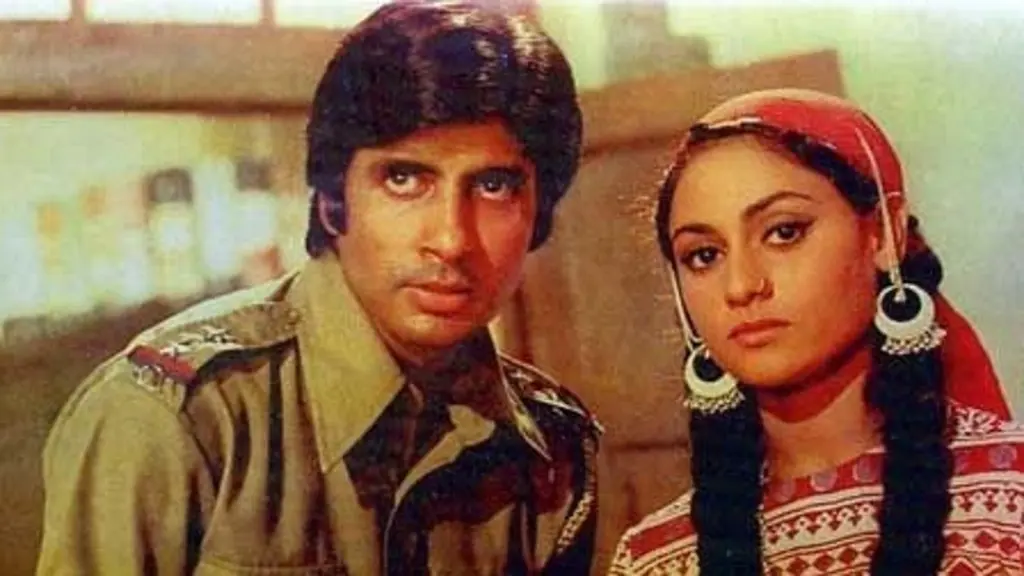
The 1970s ushered in a new era with the rise of “masala films.” This term aptly describes a genre that blends action, romance, comedy, drama, and musical extravaganzas into a heady cocktail. Amitabh Bachchan, with his intense persona, became the iconic “angry young man” of Indian cinema, reflecting the social unrest of the times. Films like “Zanjeer” (1973) and “Deewaar” (1975) explored themes of revenge, corruption, and social justice, resonating with a disillusioned audience. The era also saw the rise of multi-starrer extravaganzas like “Sholay” (1975) and “Kabhie Kabhie” (1976), which redefined the concept of commercial cinema.
Winds of Change: The New Wave and Beyond (1990s-Present):
The 1990s witnessed a significant shift in Indian cinema. Audiences craved a more realistic and contemporary portrayal of life. Independent filmmakers like Mani Ratnam (“Dil Se..” 1999), Shekhar Kapur (“Bandit Queen,” 1994), and Mira Nair (“Salaam Bombay!,” 1988) emerged, tackling complex social issues like caste, gender inequality, and poverty. This “New Wave” cinema challenged the conventions of mainstream Bollywood and garnered international acclaim.
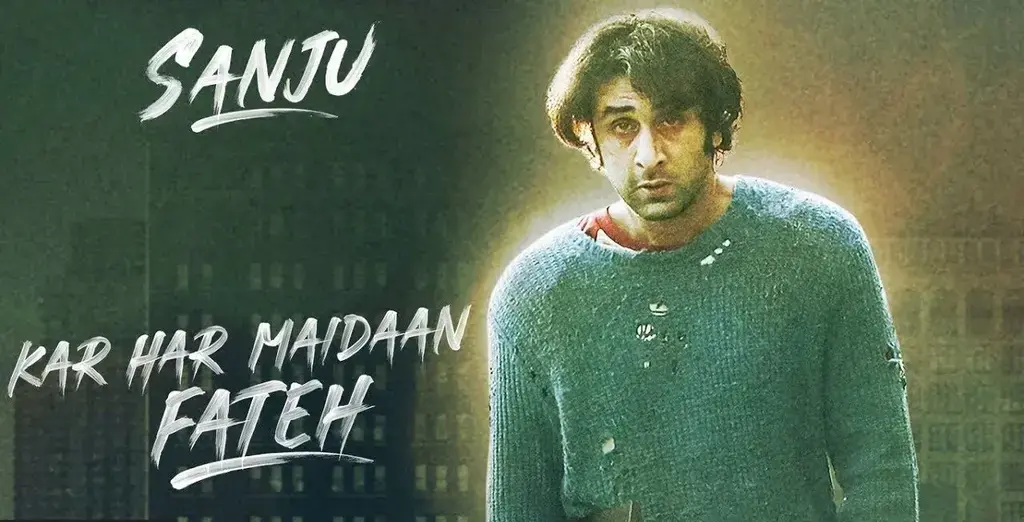
The 21st century has seen the Indian film industry embrace a dynamic and diverse landscape. Technological advancements have revolutionized filmmaking, with special effects and computer-generated imagery (CGI) finding their place in mainstream cinema. Multiplexes have become the preferred mode of moviegoing, offering a premium viewing experience. Alongside the quintessential masala entertainers, a new wave of Bollywood films explores a wide range of genres, from coming-of-age stories (“Dangal,” 2016) to biopics (“Sanju,” 2018) and quirky comedies (“Piku,” 2015).
The Future Unfolds: A Global Stage Awaits
The Indian film industry continues to evolve at a rapid pace. Streaming platforms have opened new avenues for distribution and storytelling, with web series becoming increasingly popular. Indian cinema is increasingly finding a global audience, with films like “RRR” (2022) and “Baahubali” (2015) achieving international success.
Indian cinema will continue to entertain, inspire, and captivate audiences worldwide, its rich tapestry forever adding color to the global cinematic landscape.