Manoj Kumar: The OG Deshbhakt India Forgot But Shouldn’t

Manoj Kumar: The OG Deshbhakt India Forgot But Shouldn’t

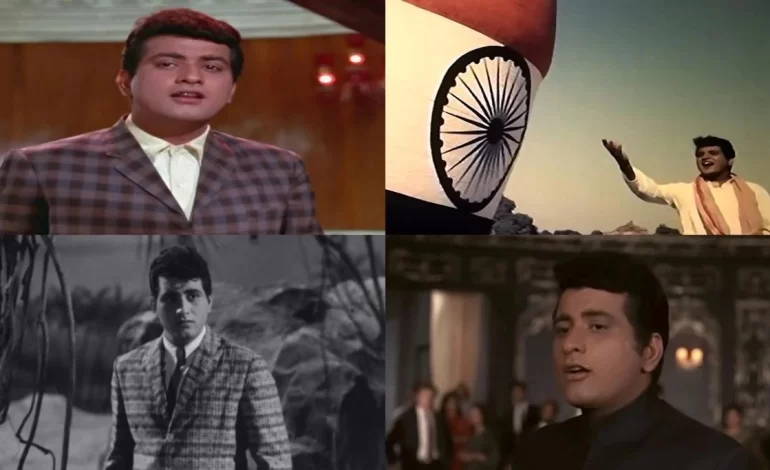
Manoj Kumar: What is patriotism in Bollywood, really? A tricolor-filtered Instagram clip, a dramatic monologue, or perhaps an action hero defeating the enemy all by himself in a flashy war scene. But well before Bollywood discovered how to glamorize the nation at the box office, there was someone who breathed and lived the concept of Bharat—and took it to us in soulful, meaningful cinema. That someone was Manoj Kumar. To Gen Z, the name would ring a hazy bell—usually shortened to “the actor who only looked sideways in every other scene” (yes, the legendary profile shot!) or the one Shahrukh Khan made fun of in Om Shanti Om. But here’s the reality check: Manoj Kumar was not merely another thespian. He was an era. He was the first Deshbhakt of Bollywood—long before it was trendy, long before it was sellable, and most importantly, long before it was commercialized. So, let’s rewind. And this time, Gen Z, keep your AirPods in and your chai ready. You’re about to meet the man who defined national pride in Indian cinema. A Freedom Fighter At Heart (Even On Screen) Born Harikrishna Giri Goswami in Abbottabad (present-day Pakistan), Manoj Kumar was severely affected by the partition. His family had to shift to Delhi during the unrest—a personal experience that would go on to influence his vision as a filmmaker. His film introduction might have been humble, yet his move toward patriotic films was aggressive and intent. With Shaheed (1965), when he essayed the role of Bhagat Singh, India received a biopic with character and poise. It was not a fast-paced chase nor an adrenaline booster—it was one of ideology, sacrifice, and unshakeable faith in a nation. This was just the beginning. The Bharat Trilogy: Upkaar, Purab Aur Paschim & Kranti 1. Upkaar (1967): Inspired by Lal Bahadur Shastri’s slogan “Jai Jawan, Jai Kisan”, Manoj Kumar not only acted in Upkaar but also wrote and directed it. This film wasn’t just a hit—it became a mirror to rural India and gave Indian farmers the cinematic respect they’d long been denied. The song “Mere Desh Ki Dharti” still echoes in every patriotic playlist today. 2. Purab Aur Paschim (1970): Here, he compares the value system of traditional India with Western modernity. He’s not judging change but cautioning us not to forget our roots in the name of “cool”. Sound familiar? It’s what we now refer to as cultural appropriation vs. cultural appreciation. 3. Kranti (1981): One of the widest hits of that era, Kranti brought India together for a single cause—freedom. It was never preachy. It was resounding. Manoj Kumar taught us not only a lesson from history but went ahead and combined the legendary stalwarts Dilip Kumar and Shashi Kapoor towards the cause. Patriotism with Purpose, Not Propaganda Today, patriotism in cinema is typically loud—bombastic background music, almost jingoistic, and repetitive in its messaging. But Manoj Kumar’s brand of patriotism was poetic, intimate, and often philosophical. He didn’t only ask questions—he provided context. Why are we proud of our country? What does it mean to serve the nation? Where do our farmers and soldiers place in our social order? These are questions Upkaar and Purab Aur Paschim asked without screaming at the audience. There was no CGI, no green screens, and no 100-crore budgets—just good old storytelling, emotion, and intent. The Side Profile Meme Was a Statement Yes, the side pose became his trademark. And yes, even Shahrukh aped it with good-natured nudges. But this is a little-known fact: that side profile wasn’t vanity—it was vulnerability. Manoj Kumar used to say in interviews that he wanted to present dignity and humility in his characters. Looking straight at the camera felt aggressive; the side profile tamed the delivery. It made him less of a “hero” and more of a “voice.” We speak of style choices in 2025—well, he was making it happen in the 60s. Iconic pre-iconic was a hashtag. Why Gen Z Ought to Know Manoj Kumar Let’s be honest—today’s content is quicker, glitzier, and more international. But Manoj Kumar’s films are a slow burn. The kind that lingers. As India keeps struggling with identity, nationalism, and culture wars, we need more creators, writers, and thinkers like him, those who can be proudly rooted without being inflexible and patriotic without being didactic. His work reminds us that you don’t require 10 million followers to ignite a revolution—just a powerful story and an even more powerful intent. Manoj Kumar: Forgotten, But Shouldn’t Be Though he was given the Padma Shri and Dadasaheb Phalke Award, mainstream media hasn’t honored Manoj Kumar the way it should. In a world where trending dances and viral tweets dominate headlines, we forget the artists who constructed the pillars of Indian storytelling. His films are not just old reels collecting dust—they’re lessons waiting to be rediscovered. Lessons in dignity, simplicity, and the kind of courage that doesn’t need a punchline. Where to Start Watching If you’re Gen Z and new to Manoj Kumar’s world, here’s a quick binge list: Upkaar (1967)—Start here. It’s his heart and soul in film form. Purab Aur Paschim (1970)—A reminder that westernization without roots can feel empty. Kranti (1981)—For the thrill, the scale, and the storytelling. Shaheed (1965)—Understand Bhagat Singh through eyes that respected the revolution. Roti, Kapda Aur Makaan (1974)—The film is about a family that Bharat (Manoj Kumar) attempts to provide for after falling into a financial struggle. Available on YouTube and various OTT platforms—just search, and you’ll find cinematic gold. In Conclusion: A Man Called Bharat Manoj Kumar didn’t merely act in movies—he acted upon what he stood for. He was Bharat on screen—not the chest-beating type, but the type that existed in the earth, the melodies, and the silences of his work. So let’s not forget him. Let’s see him, speak about him, and learn from him. Because if Bollywood has a true Deshbhakt, it’s Manoj Kumar. And this legendary deshbhakt passed away today (04/04/2025) at the age of 84. And if Gen

Read More

 A Millennial Journey of Indian Film Industry

A Millennial Journey of Indian Film Industry

The Indian film industry, a dazzling kaleidoscope of song, dance, drama, and action, enthralls audiences not just in India but across the world. Often misconstrued as solely Bollywood, which is the Hindi-language film industry based in Mumbai, Indian cinema boasts a rich tapestry woven with diverse regional productions. This cinematic giant has a history as captivating as the stories it tells, a journey that began with a flicker of silent film over a century ago. Indian Film Industry and the Dawn of Celluloid Dreams (1913): The year is 1913. Dadasaheb Phalke, a visionary filmmaker driven by a passion for storytelling, unveils his groundbreaking creation – Raja Harishchandra. This silent film, based on the legendary king renowned for his unwavering truthfulness, is widely regarded as the first full-length feature film made in India. Though there’s debate regarding an even earlier film, Shree Pundalik (1912), Raja Harishchandra’s impact is undeniable. Using Marathi and English intertitles to bridge the narrative gap, the film laid the foundation for the storytelling magic that would become synonymous with Indian cinema. Silent Screens and Thespian Expressions (1913-1930s): The nascent years of Indian cinema, fondly referred to as the Silent Era, were dominated by mythological and historical tales. The absence of sound placed immense emphasis on visual storytelling. Actors relied heavily on facial expressions, body language, and dramatic gestures to convey emotions. These silent features often employed innovative techniques like dramatic close-ups, parallel editing, and symbolism to weave a narrative tapestry. Films like Dadasaheb Phalke’s “Sairandhri” (1912) and “Mohini Bhasmasur” (1913) showcased the power of silent storytelling, laying the groundwork for the future. The Talkies Arrive and Melodies Take Flight (1930s-1950s): The arrival of sound in the 1930s revolutionized Indian cinema. The ability to incorporate spoken dialogue, music, and sound effects opened up a whole new world of possibilities. Musical numbers became an integral part of the narrative, creating a unique blend of storytelling and song that would become a defining characteristic of Indian films. Pioneering filmmakers like Ardeshir Irani and Abdur Rashid Kardar experimented with sound technology, while legendary singers like K.L. Saigal and playback singing gave birth to a new wave of stars.  The Golden Age: Where Legends Were Made (1950s-1970s): This era is considered the pinnacle of Hindi cinema, a time when the industry witnessed an unparalleled flourishing of creativity and talent. Iconic filmmakers like Satyajit Ray, known for his poignant neo-realistic masterpieces like “Pather Panchali” (1955) and “Aparajito” (1956), emerged. Superstars like Dilip Kumar, the brooding “Tragedy King,” and Raj Kapoor, the charming “Showman,” captivated audiences with their charismatic performances. Themes explored family dramas (“Mughal-e-Azam,” 1960), social issues (“Mother India,” 1957), and love stories (“Guide,” 1965), all interwoven with lavish sets, unforgettable songs by legendary music directors like Shankar-Jaikishan and R.D. Burman, and larger-than-life characters.  The Masala Flicks: A Potpourri of Entertainment (1970s-1990s): The 1970s ushered in a new era with the rise of “masala films.” This term aptly describes a genre that blends action, romance, comedy, drama, and musical extravaganzas into a heady cocktail. Amitabh Bachchan, with his intense persona, became the iconic “angry young man” of Indian cinema, reflecting the social unrest of the times. Films like “Zanjeer” (1973) and “Deewaar” (1975) explored themes of revenge, corruption, and social justice, resonating with a disillusioned audience. The era also saw the rise of multi-starrer extravaganzas like “Sholay” (1975) and “Kabhie Kabhie” (1976), which redefined the concept of commercial cinema.  Winds of Change: The New Wave and Beyond (1990s-Present): The 1990s witnessed a significant shift in Indian cinema. Audiences craved a more realistic and contemporary portrayal of life. Independent filmmakers like Mani Ratnam (“Dil Se..” 1999), Shekhar Kapur (“Bandit Queen,” 1994), and Mira Nair (“Salaam Bombay!,” 1988) emerged, tackling complex social issues like caste, gender inequality, and poverty. This “New Wave” cinema challenged the conventions of mainstream Bollywood and garnered international acclaim. The 21st century has seen the Indian film industry embrace a dynamic and diverse landscape. Technological advancements have revolutionized filmmaking, with special effects and computer-generated imagery (CGI) finding their place in mainstream cinema. Multiplexes have become the preferred mode of moviegoing, offering a premium viewing experience. Alongside the quintessential masala entertainers, a new wave of Bollywood films explores a wide range of genres, from coming-of-age stories (“Dangal,” 2016) to biopics (“Sanju,” 2018) and quirky comedies (“Piku,” 2015). The Future Unfolds: A Global Stage Awaits The Indian film industry continues to evolve at a rapid pace. Streaming platforms have opened new avenues for distribution and storytelling, with web series becoming increasingly popular. Indian cinema is increasingly finding a global audience, with films like “RRR” (2022) and “Baahubali” (2015) achieving international success.  Indian cinema will continue to entertain, inspire, and captivate audiences worldwide, its rich tapestry forever adding color to the global cinematic landscape.

Read More
 Kalki 2898 AD Advance Booking: High Demand For Tickets Causes Southern Bookings To Crash

Kalki 2898 AD Advance Booking: High Demand For Tickets Causes Southern Bookings To Crash

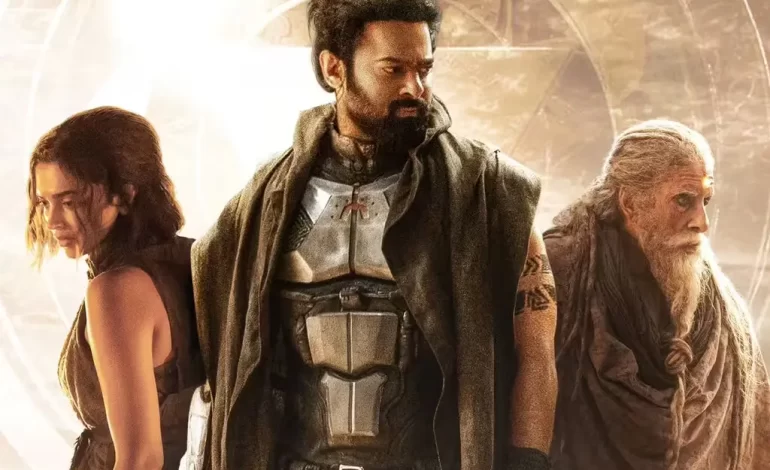
Tickets for Prabhas and Deepika Padukone’s upcoming movie Kalki 2898 AD are selling like hotcakes. The film, which releases on June 27, also stars Amitabh Bachchan, Kamal Haasan, and Disha Patani. A surge in advance bookings caused the ticket booking platform BookMyShow to crash in Telangana, Tamil Nadu, and Karnataka due to extreme demand. Ashwini Dutt Vyjayanthi Movies serve as the backdrop of Nag Ashwin’s mythological science fiction film Kalki 2898 AD. The film gained worldwide popularity when its teaser was released at San Diego Comic-Con last year. Not only fans, but also celebrities, are excited to watch this movie on the big screen. A few days ago, filmmaker Karan Johar shared the second trailer for the film on his Instagram handle. To pique your interest, KJo wrote, “More sensational shows on the big screen await… full of powerful and brilliant performances from my favourite artists in the industry. I can’t wait for it to open. Watch it in theatres near you. Wherever you are on June 27th!” Before Karan Johar, ace director SS Rajamouli also contributed to the new trailer for Kalki 2898 AD. In a note posted on Twitter (ex-X), the director wrote, “This is a powerful trailer… It sets the right mood and tone to watch FDFS. ‌Amitabh ji, Darling (Prabhas) and Deepika’s characters seem to have a lot of depth and are truly mesmerizing, I’m still stuck with Kamal -sir look and how amazing he always is. Nagi (Nag Ashwin) can’t wait to dive into your world on the 27th! SS Rajamouli worked with Prabhas in the Baahubali franchise. In case you missed it, here is the trailer for the Mega Release: Kalki 2898 AD Advance Booking Deepika Padukone and Prabhas will share screen space for the first time in the film. Jio World Plaza in BKC is selling ‘Lux Superior’ tickets for Prabhas’ Kalki 2898 AD on June 27 at ₹ 2,300. The tickets are for a night show in Hindi. The bilingual film is Deepika’s Telugu debut. Also, Maison INOX: Drive-In at Jio World Plaza sold tickets worth ₹2,000 over the weekend. The government of Andhra Pradesh gave permission to increase fares. Ticket prices for single-screen cinemas have been raised to ₹ 75 as per government orders, while channel packages can be charged up to ₹ 125.In addition, the government has allowed five shows a day for 14 days after the release instead of the usual four. This decision is expected to boost the film’s earnings, and the film is one of the most anticipated releases of the year. The Telangana government has also agreed to additional shows of the movie and raised the ticket prices. The overseas tally should be 60–70 million, and that will definitely make it bigger than “Salaar.”. So the total Indian and foreign amounts are 180–210 crores. This has not happened to any Indian film since Baahubali 2 and RRR. Wishing all the luck to the director and Team for a blockbuster box office hit!

Read More