Coorg, also known as Kodagu, is situated in the misty highlands of Karnataka. Besides its coffee estates and rolling hills, it is famous for its rich, spicy, and earthy cuisine. Kodava culture is deeply infused in Coorgi cuisine, which is a fiesta of local specialities, native spices, and traditional cooking techniques. Picture rice flatbreads (akki rotis), bamboo shoot curries, steamed rice balls, and meat and roasted spices cooked long and slow. The food captures the warmth and ruggedness of the region perfectly.
Four Seasons in Bangalore surprised its patrons with a specially designed menu that aimed to showcase the flavors of Coorg. The menu, combining traditional foods with modern culinary presentation, offered more than just a meal; it was a sensory feast that brought the highlands of Kodagu to life.
Coorg Cuisine Specials:
The Coorg special at Four Seasons was attended by Ms Shrishti Jaiswal – Editor-in-Chief , TheStyle.World. And the menu that was served was authentic and absolutely delectable with the presentation. There was filter coffee, a non-veg starter, rice cake with chicken, a delicious non-veg main course in Coorg style and a very delicious authentic Coorg dessert. The entire food served was taken care of by Ms Anjali, Founder – Pig Out.
Coorg Cuisine – Origin and Evolution:
Filter coffee:

Origin and History:
Filter coffee, or kaapi, a very delightful name given to it in South India, has its origin in Yemen, as a Sufi saint in the 17th century named Baba Budan illicitly brought seven coffee beans from Yemen to Chikmagalur, Karnataka — the birthplace of Indian coffee growing. Over time, the South Indian brewing style evolved into a distinct process involving an old metal filter, where coffee is slow-brewed in finely ground form to produce a strong decoction. Blended usually with chicory to give body and aroma, this strong brew is subsequently mixed with hot milk and sugar and notoriously served in a dabara-tumbler set — a ritual as much loved as the beverage itself.
Non-Veg Starters:

Origin and Evolution of Coorg
Coorg, or Kodagu, has the Kodava community — celebrated for their warrior heritage and their strong affinity towards the land. As such, their food must be robust, earthy, and centred on strong flavours, particularly in their non-vegetarian food. Coorg’s non-vegetarian appetisers have been shaped by age-old hunting practices, where meat was spiced with spices found locally and eaten over the fire or slow-cooked at home using fresh forest material.
Pork takes centre stage in most Kodava kitchens, especially in the famous Pandi Curry, but Coorgi appetisers now feature spicy chicken fry, mutton chops, liver fry, and even game meat in days of yore. The addition of kachampuli (a sour, fermented vinegar produced from the Garcinia fruit) is a hallmark touch — providing the starters with their sour zing and deep colour. Nowadays, these starters have made their way from home cooking to fine dining menus, retaining the same intensity, warmth, and tradition but with the added plating and technique of modern times.
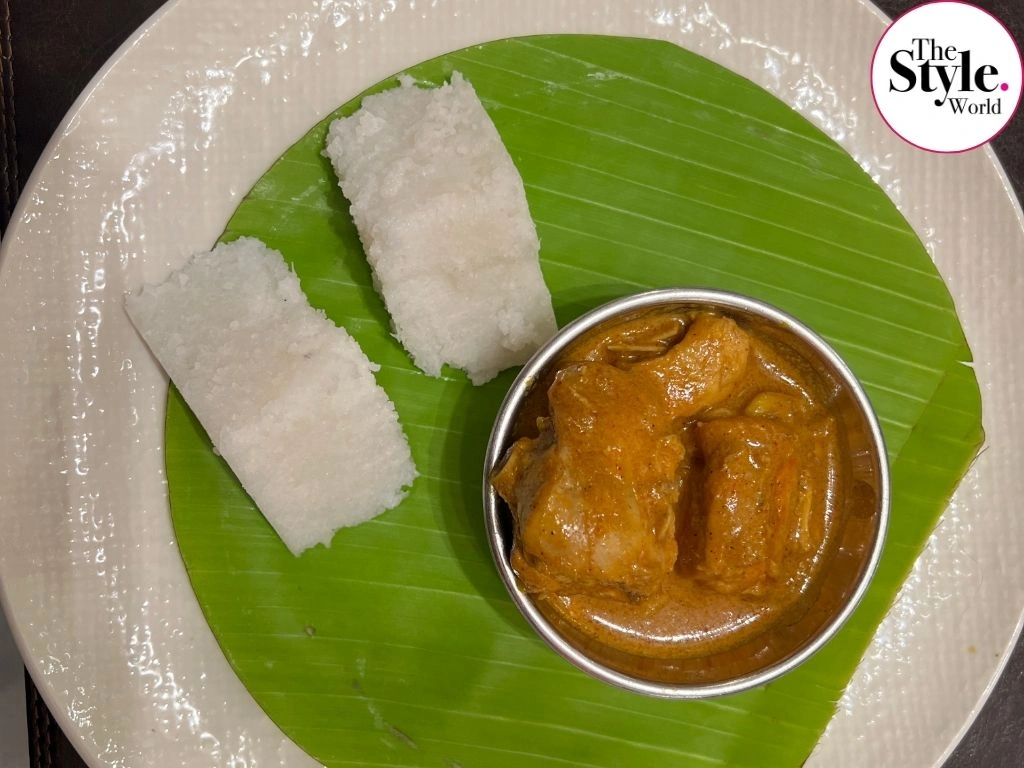
Rice Cakes With Chicken:
Origin and Evolution
Deep in the midst of Coorg’s verdant highlands, food has long been inextricably linked to land and season. A classic favorite combination is rice cakes (kadambuttu) and spicy chicken curry — a comforting and celebratory combination. Kadambuttu are pillowy steamed rice balls made from broken rice and coconut, traditionally made during festivals and family gatherings. These soft cakes serve as the ideal foundation to mop up rich, spicy gravies.
Served frequently alongside Koli Curry — a chicken curry in the style of Coorg, prepared with roasted spices and the sour kachampuli vinegar — this is quintessential balance: humble, plain rice cakes going up against pungent, spicy meat. This simple home food has gone from being such to become a gastronomic icon, served at weddings, at Kodava festivals, and now even on gourmet tables throughout Karnataka. Although its presentation has changed, the soulful nature of chicken and rice cakes remains unscathed — comforting, earthy, and indelible.
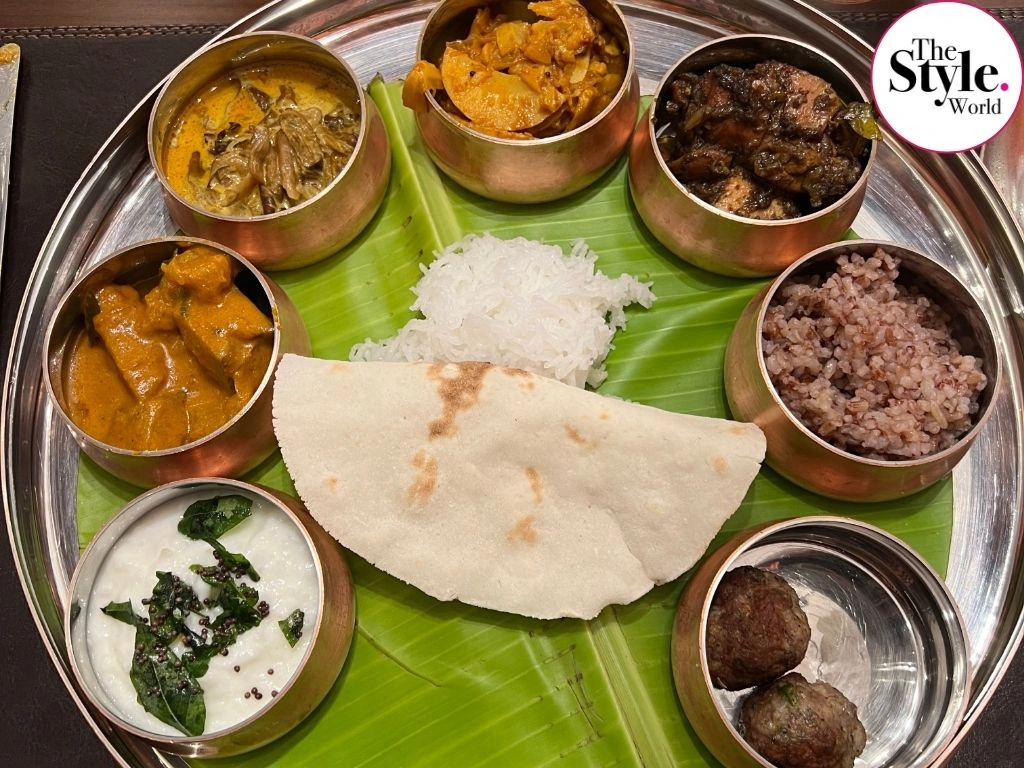
Coorg Style Non Veg Main Course:
Origin and Evolution
At the very core of Coorg’s food identity is its rich, meaty main-course cuisine — one that is deep in sync with the Kodava people’s roots, way of life, and penchant for robust flavors. Its most legendary is the mythical Pandi Curry — a dark spicy pork curry, slow-cooked with roasted spices and finished in kachampuli, Coorg’s typical souring ingredient derived from the Garcinia fruit. This dish, once a staple of hunting feasts and celebration parties, now represents Coorg itself.
Coorgi main courses typically consist of chicken, mutton, and occasionally game meat, all prepared in rich earthy masalas with not much oil but terrific depth.What distinguishes them is the liberal use of pepper, curry leaves, garlic, and traditional Coorgi spice mixes, handed down through generations. Served traditionally with rice balls (kadambuttu), rice noodles (noolputtu), or steamed rice, these are wholesome, filling, and to be enjoyed slowly.
Although the spirit is grounded in tradition, modern chefs are now redefining these dishes with sophisticated techniques and modern presentation — but the heart of Coorg’s main course offerings is still very rustic, bold, and indelible.
Coorg Desserts:

Origin and Evolution
Contrary to other Indian cuisines’ elaborate sweets, Coorg sweets are austere and strictly based on the agri-hospitality ethos of the area. More aware of nature and crop, the Kodavas fashioned sweets as easy but comfort sweets — mostly out of fruits such as rice, jaggery, coconut, and cardamom cultivated in the vicinity.
One of the most old-world offerings is Ellu Payasa – a warm, sweet dessert consisting of sesame seeds, jaggery, and coconut milk, traditionally served at festivals and pujas. Other home-style sweets are Akki Payasa (rice pudding) and banana-based sweets, which are a result of the utilization of fresh, easily accessible ingredients from their estates. The desserts were never excessively sweet; they emphasized more on balance, texture, and warmth — typically taken after a spicy, heavy meal.
With time, Coorg sweets have started being featured in trendsetting menus and upscale food festivals, where they are garnished with sophisticated elements such as plating, spiced syrups, or fusion twists. But the magic lies in their simplicity — a sweet reminder of the land’s abundance and the Kodava lifestyle.
Conclusion:
The Coorg cuisine experience at Four Seasons Bangalore was not just a testament to a culinary tradition — it was an odyssey into the heart of Kodagu’s rich culture, earthy flavors, and ancient food lore. With every course crafted to explore authenticity and warmth, the event was able to blend heritage and haute cuisine in the most natural way. From the energizing filter coffee to the soul-filling rice cakes with chicken and the subtle yet comforting sweets, each morsel spoke of story — of land, love, and legacy. Coorgi food, in its boldness and richness, continues to enthrall palates and keep alive a culture as spirited as it is delectable.