Coorg Cuisine Comes Calling At Four Seasons Bangalore

Coorg Cuisine Comes Calling At Four Seasons Bangalore

Coorg, also known as Kodagu, is situated in the misty highlands of Karnataka. Besides its coffee estates and rolling hills, it is famous for its rich, spicy, and earthy cuisine. Kodava culture is deeply infused in Coorgi cuisine, which is a fiesta of local specialities, native spices, and traditional cooking techniques. Picture rice flatbreads (akki rotis), bamboo shoot curries, steamed rice balls, and meat and roasted spices cooked long and slow. The food captures the warmth and ruggedness of the region perfectly. Four Seasons in Bangalore surprised its patrons with a specially designed menu that aimed to showcase the flavors of Coorg. The menu, combining traditional foods with modern culinary presentation, offered more than just a meal; it was a sensory feast that brought the highlands of Kodagu to life. Coorg Cuisine Specials: The Coorg special at Four Seasons was attended by Ms Shrishti Jaiswal – Editor-in-Chief , TheStyle.World. And the menu that was served was authentic and absolutely delectable with the presentation. There was filter coffee, a non-veg starter, rice cake with chicken, a delicious non-veg main course in Coorg style and a very delicious authentic Coorg dessert. The entire food served was taken care of by Ms Anjali, Founder – Pig Out. Coorg Cuisine – Origin and Evolution: Filter coffee: Origin and History: Filter coffee, or kaapi, a very delightful name given to it in South India, has its origin in Yemen, as a Sufi saint in the 17th century named Baba Budan illicitly brought seven coffee beans from Yemen to Chikmagalur, Karnataka — the birthplace of Indian coffee growing. Over time, the South Indian brewing style evolved into a distinct process involving an old metal filter, where coffee is slow-brewed in finely ground form to produce a strong decoction. Blended usually with chicory to give body and aroma, this strong brew is subsequently mixed with hot milk and sugar and notoriously served in a dabara-tumbler set — a ritual as much loved as the beverage itself. Non-Veg Starters: Origin and Evolution of Coorg Coorg, or Kodagu, has the Kodava community — celebrated for their warrior heritage and their strong affinity towards the land. As such, their food must be robust, earthy, and centred on strong flavours, particularly in their non-vegetarian food. Coorg’s non-vegetarian appetisers have been shaped by age-old hunting practices, where meat was spiced with spices found locally and eaten over the fire or slow-cooked at home using fresh forest material. Pork takes centre stage in most Kodava kitchens, especially in the famous Pandi Curry, but Coorgi appetisers now feature spicy chicken fry, mutton chops, liver fry, and even game meat in days of yore. The addition of kachampuli (a sour, fermented vinegar produced from the Garcinia fruit) is a hallmark touch — providing the starters with their sour zing and deep colour. Nowadays, these starters have made their way from home cooking to fine dining menus, retaining the same intensity, warmth, and tradition but with the added plating and technique of modern times. Rice Cakes With Chicken: Origin and Evolution  Deep in the midst of Coorg’s verdant highlands, food has long been inextricably linked to land and season. A classic favorite combination is rice cakes (kadambuttu) and spicy chicken curry — a comforting and celebratory combination. Kadambuttu are pillowy steamed rice balls made from broken rice and coconut, traditionally made during festivals and family gatherings. These soft cakes serve as the ideal foundation to mop up rich, spicy gravies. Served frequently alongside Koli Curry — a chicken curry in the style of Coorg, prepared with roasted spices and the sour kachampuli vinegar — this is quintessential balance: humble, plain rice cakes going up against pungent, spicy meat. This simple home food has gone from being such to become a gastronomic icon, served at weddings, at Kodava festivals, and now even on gourmet tables throughout Karnataka. Although its presentation has changed, the soulful nature of chicken and rice cakes remains unscathed — comforting, earthy, and indelible. Coorg Style Non Veg Main Course:  Origin and Evolution  At the very core of Coorg’s food identity is its rich, meaty main-course cuisine — one that is deep in sync with the Kodava people’s roots, way of life, and penchant for robust flavors. Its most legendary is the mythical Pandi Curry — a dark spicy pork curry, slow-cooked with roasted spices and finished in kachampuli, Coorg’s typical souring ingredient derived from the Garcinia fruit. This dish, once a staple of hunting feasts and celebration parties, now represents Coorg itself. Coorgi main courses typically consist of chicken, mutton, and occasionally game meat, all prepared in rich earthy masalas with not much oil but terrific depth.What distinguishes them is the liberal use of pepper, curry leaves, garlic, and traditional Coorgi spice mixes, handed down through generations. Served traditionally with rice balls (kadambuttu), rice noodles (noolputtu), or steamed rice, these are wholesome, filling, and to be enjoyed slowly. Although the spirit is grounded in tradition, modern chefs are now redefining these dishes with sophisticated techniques and modern presentation — but the heart of Coorg’s main course offerings is still very rustic, bold, and indelible. Coorg Desserts: Origin and Evolution Contrary to other Indian cuisines’ elaborate sweets, Coorg sweets are austere and strictly based on the agri-hospitality ethos of the area. More aware of nature and crop, the Kodavas fashioned sweets as easy but comfort sweets — mostly out of fruits such as rice, jaggery, coconut, and cardamom cultivated in the vicinity. One of the most old-world offerings is Ellu Payasa – a warm, sweet dessert consisting of sesame seeds, jaggery, and coconut milk, traditionally served at festivals and pujas. Other home-style sweets are Akki Payasa (rice pudding) and banana-based sweets, which are a result of the utilization of fresh, easily accessible ingredients from their estates. The desserts were never excessively sweet; they emphasized more on balance, texture, and warmth — typically taken after a spicy, heavy meal. With time, Coorg sweets have started being featured in trendsetting menus and upscale food festivals,

Read More
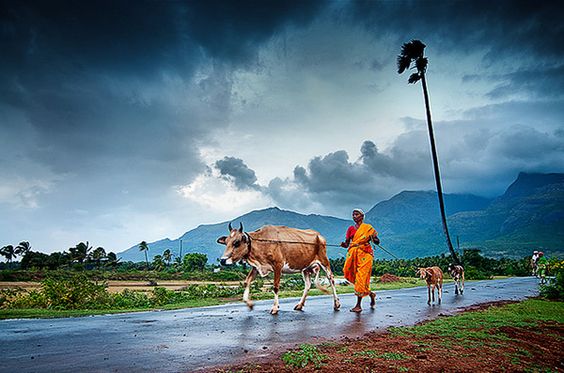
 Monsoon Adventures: Top 13 Travel Indian Destinations to discover Gem Hidden Places

Monsoon Adventures: Top 13 Travel Indian Destinations to discover Gem Hidden Places

Monsoon India has a plethora of fascinating places to explore during the monsoon season. From the lush greenery of Kerala’s backwaters and the misty hills of Munnar to the dramatic waterfalls of Cherrapunji in Meghalaya, each region paints a distinct image of natural beauty. Goa’s peaceful beaches are alive with verdant landscapes, while Rajasthan’s forts and palaces shimmer in the occasional rain.  India’s monsoon locations offer an amazing experience, whether you’re looking to explore heritage sites or relax in nature.  Join  The Style.World  must-see destinations in India during the monsoon season that offer an amazing voyage through the country’s rain-washed beauty.  Munnar Munnar in Kerala, is a beautiful hill station set in the Western Ghats. It is well-known for its huge tea plantations, mist-covered hills, and temperate environment, making it a peaceful retreat from the hustle and bustle of city life. Visitors can visit Eravikulam National Park, which is home to the endangered Nilgiri Tahr, as well as see the panoramic grandeur of Mattupetty Dam and Anamudi Peak. The breathtaking Attukal and Lakkam waterfalls add to Munnar’s allure. The tea museums offer insights into the region’s tea past, making Munnar an ideal combination of natural beauty and cultural richness, especially during the monsoon season. Coorg Coorg, commonly known as Kodagu, is a beautiful district in Karnataka noted for its coffee farms, verdant landscapes, and foggy highlands. Nestled in the Western Ghats, it provides a peaceful escape with its nice atmosphere and attractive views. Abbey Falls, where water cascades through a lush valley, and Dubare Elephant Camp, where tourists may interact with elephants, are two must-see sights. The Raja’s Seat offers panoramic views of the valley, while Talakaveri is the source of the sacred Cauvery River. Coorg’s rich culture, delectable cuisine, and diverse fauna make it a must-see destination, especially during the monsoon season when the region is at its lushest. Goa Goa, located on India’s western coast, is well-known for its beautiful beaches, active nightlife, and cultural history. During the monsoon season, Goa transforms into a lush, green paradise with less tourists, providing a more relaxing experience. Visitors can explore the magnificent Dudhsagar Waterfalls, participate in water sports, and rest on peaceful beaches such as Palolem and Anjuna. The state’s Portuguese influence is visible in its attractive architecture, which includes historic structures like the Basilica of Bom Jesus and Se Cathedral. Monsoon festivities like Sao Joao add to Goa’s attractiveness, making it a magical place to visit during the rainy season.   View this post on Instagram   A post shared by Dudhsagar Falls (@dudhsagarfalls) Shillong Shillong, the capital of Meghalaya, is often referred to as the “Scotland of the East” due to its rolling hills, pine forests, and cool climate. During the monsoon, Shillong becomes even more enchanting with its lush greenery and numerous waterfalls in full flow. Key attractions include the Elephant Falls, a three-tiered waterfall, and Umiam Lake, which offers serene boating experiences. The Shillong Peak provides panoramic views of the city and surrounding hills. The city’s vibrant culture, influenced by the Khasi tribe, is evident in its local markets and traditional festivals. Shillong’s natural beauty and unique cultural heritage make it a captivating destination, especially during the monsoon season. Valley of Flowers  Valley of Flowers in Uttarakhand is a stunning UNESCO World Heritage site nestled in the Western Himalayas. This vibrant national park, spanning about 87.5 square kilometers, is renowned for its breathtaking meadows adorned with a diverse array of endemic flora. During the monsoon season, the valley transforms into a floral paradise, boasting over 500 species of wildflowers in full bloom. Snow-clad peaks, cascading waterfalls, and lush greenery add to its enchanting beauty. The valley is also home to rare and endangered species like the Asiatic black bear, snow leopard, and blue sheep, making it a must-visit for nature enthusiasts and trekkers. Lonavala Lonavala, a beautiful hill town in Maharashtra, is a famous monsoon destination noted for its lush green landscapes, misty weather, and peaceful atmosphere. Situated in the Sahyadri range, it provides stunning views of the Western Ghats. During the monsoon season, Lonavala comes to life with multiple waterfalls, including the famous Kune Falls, and pristine lakes like Bhushi Dam. The hill station is also home to historic underground spaces like as Karla and Bhaja, which feature stunning rock-cut architecture. Trekkers and adventurers can enjoy exploring forts such as Rajmachi and Lohagad. Lonavala’s appeal is heightened by its cool climate and peaceful surroundings. Andaman and Nicobar Islands Andaman and Nicobar Islands located in the Bay of Bengal, are well-known for their pristine beaches, turquoise waters, and diverse wildlife. This tropical oasis is a shelter for nature lovers and adventure seekers alike. The islands have excellent coral reefs, making them a top choice for snorkeling and scuba diving. Visitors can explore Havelock Island’s diverse marine life, relax on Radhanagar Beach, or see Port Blair’s historic Cellular Jail. The islands’ attraction is enhanced by their lush woods, mangroves, and unique indigenous cultures, making them an ideal retreat for people seeking peace and natural beauty. Alleppey Alleppey also known as Alappuzha, is a lovely town in Kerala noted for its tranquil backwaters, houseboat tours, and verdant scenery. Alleppey, nicknamed the “Venice of the East,” is an ideal monsoon vacation. During the rainy season, the backwaters brim with fresh rainwater, adding to their beauty and calm. Visitors can enjoy a houseboat stay while drifting along the picturesque Vembanad Lake and experiencing daily life on the waterways. The town is also known for its traditional snake boat races, picturesque canals, paddy fields, and Alappuzha Beach.   View this post on Instagram   A post shared by Arun George (@aarruunn777) Darjeeling Darjeeling  a scenic hill resort in West Bengal, is well-known for its spectacular Himalayan views, rich tea gardens, and cool, refreshing temperature. Darjeeling, located at an elevation of around 2,050 meters, has breathtaking views of Mount Kanchenjunga, the world’s third highest peak. During the monsoon, the town is shrouded in mist and foliage, providing a tranquil and mysterious atmosphere.

Read More
 Head To Mini Tibet, Only Five Hours From Bangalore

Head To Mini Tibet, Only Five Hours From Bangalore

Head To Mini Tibet, Only Five Hours From Bangalore Located just five hours out of Bangalore, Bylakuppe is the biggest Tibetan settlement outside of Tibet. Monasteries, monks in maroon robes and prayer flags, there’s almost everything here you’ll find in Tibet. Things To Do In Bylakuppe: Visit the Namdroling Monastery Also known as the golden temple or as the Tibetans call it – Thegchog Namdrol Shedrub Dargye Ling, is specially famous for its three copper and gold plated statues of Buddha (one 60 Ft. high and the other two 58 Ft. high). You can find prayer beads, prayer wheels and many monks as the temple also doubles up as a lodging facility with over 200 rooms for the monks who are studying here. Bylakuppe also has many Buddhist universities for advanced Buddhist practices. Shop At Tibetan Shopping Centre The Tibetan Shopping centre is located right outside the temple, making it a commercial spot for tourists to shop and take back souvenirs. The shops lined one after the other, sell everything from prayer flags, clothes and knick-knacks. You can stay in Bylakuppe at pocket-friendly prices. There are no good star hotels in the vicinity, so your best bet would be the monastery guesthouses like the Sera Jey Monastery or Sakya Monastery Guest House that are clean and well equipped with bedding, bathrooms and furniture. The monks live a simple life that requires them to wake up early; hence their day ends early too. You won’t see much activity post 6 pm here and it is very peaceful. What To Eat? There’s no surprise that the food is basic with a variety of Thukpas, Momos and stir-fry rice and noodles. You can find some places that offer non-vegetarian fare, but there are a handful that are completely vegetarian. Potala Kitchen, Olive Garden and Green Land are good bets. Heads up, all the places make only vegetarian food on Wednesdays. As the monks are early risers, they are also early sleepers. Their mealtime is around 6 pm and it’s very hard to find any eateries or rather any shops open at that time. Tibetans are known to make some good beer, but unfortunately, alcohol is restricted here. Distance Bylakuppe is 40 km or an hour’s drive from Coorg Bylakuppe is 245 km or a five-hour drive from Bangalore Bylakuppe is 88 km or a two-hour drive from Mysore.

Read More