How I Beat Dry Scalp and Dandruff In Winters
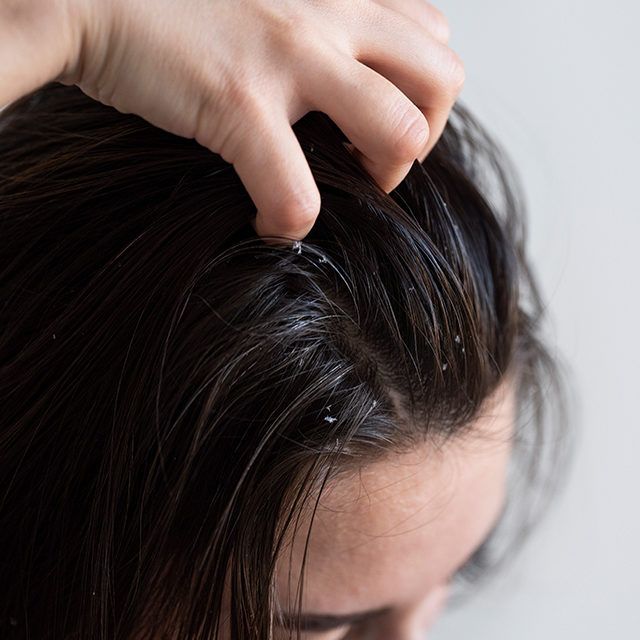
Throughout the colder months, my scalp always needs extra love; the indoor heating, harsh winds, and low humidity make flakes and tightness worse. Over the years, I’ve learnt a simple routine that soothes itching, restores moisture, and keeps dandruff at bay without overdoing treatments.
Warm oil massage-

First, I treat the scalp gently: a weekly warm-oil massage with coconut or olive oil for 20–30 minutes locks in hydration and calms irritation, and I follow with a gentle shampoo to wash away loosened flakes.
No Over washing-
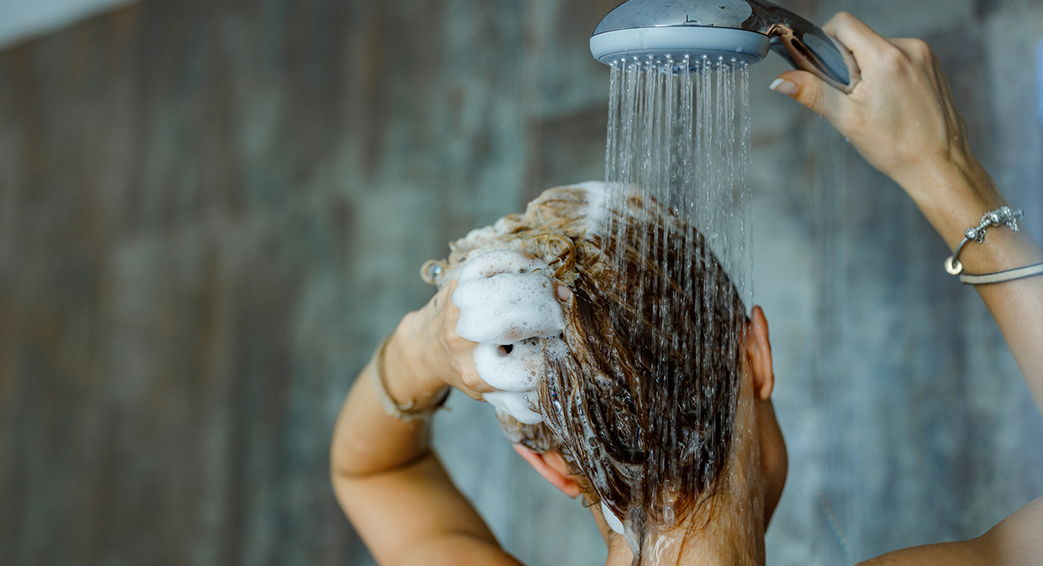
Evidence and experts agree that moisturizing and avoiding over washing are good first steps.
Apple Cider Vinegar Rinse

When I need an extra reset I do an apple-cider-vinegar rinse (diluted with water) to help rebalance scalp pH, or apply pure Aloe Vera gel to soothe redness and itch before washing out.
Tea Tree Oil
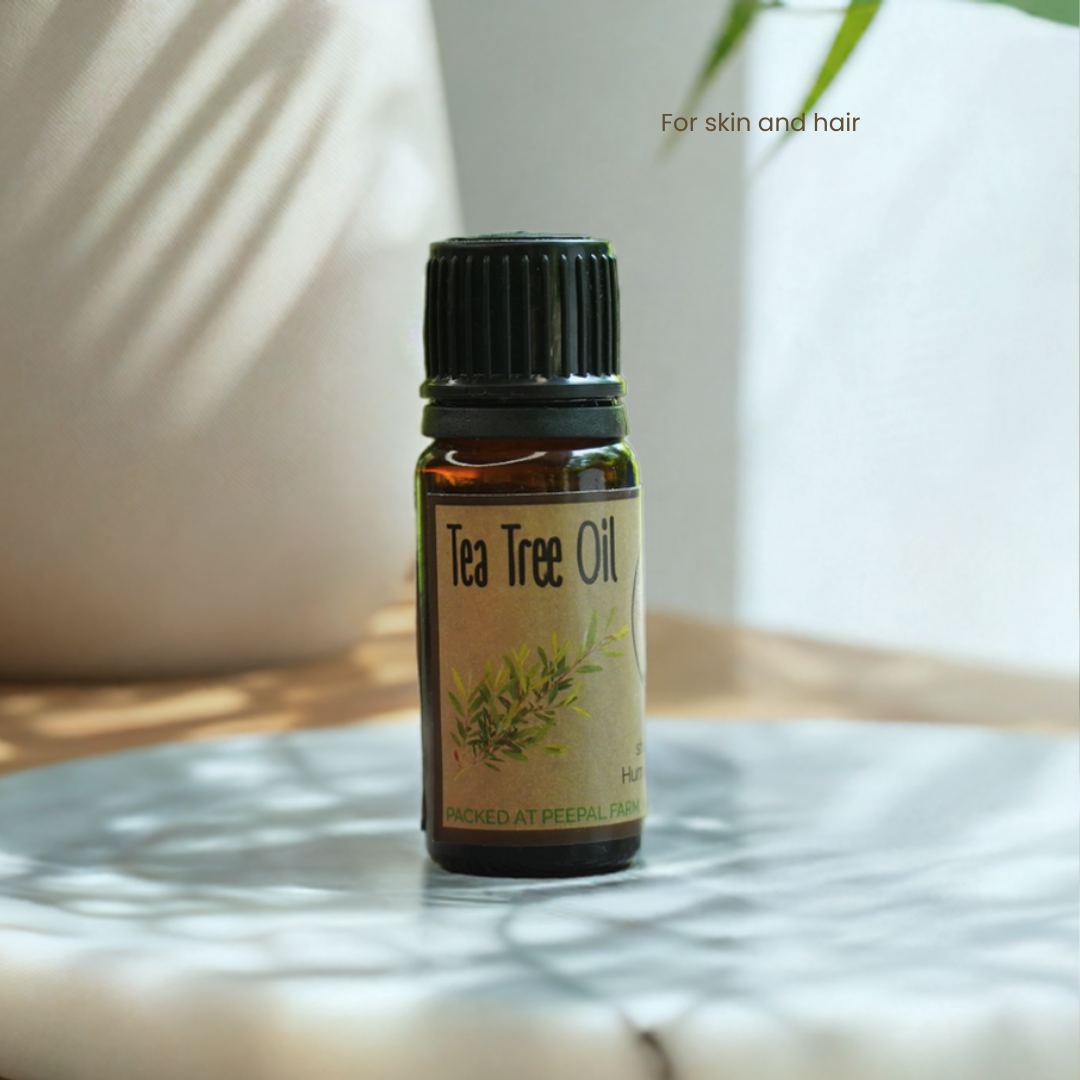
Tea tree oil used sparingly and diluted has been a reliable spot treatment for itchy patches thanks to its antimicrobial properties. Natural remedies can help, but consistency matters most.
Medicated Shampoo-
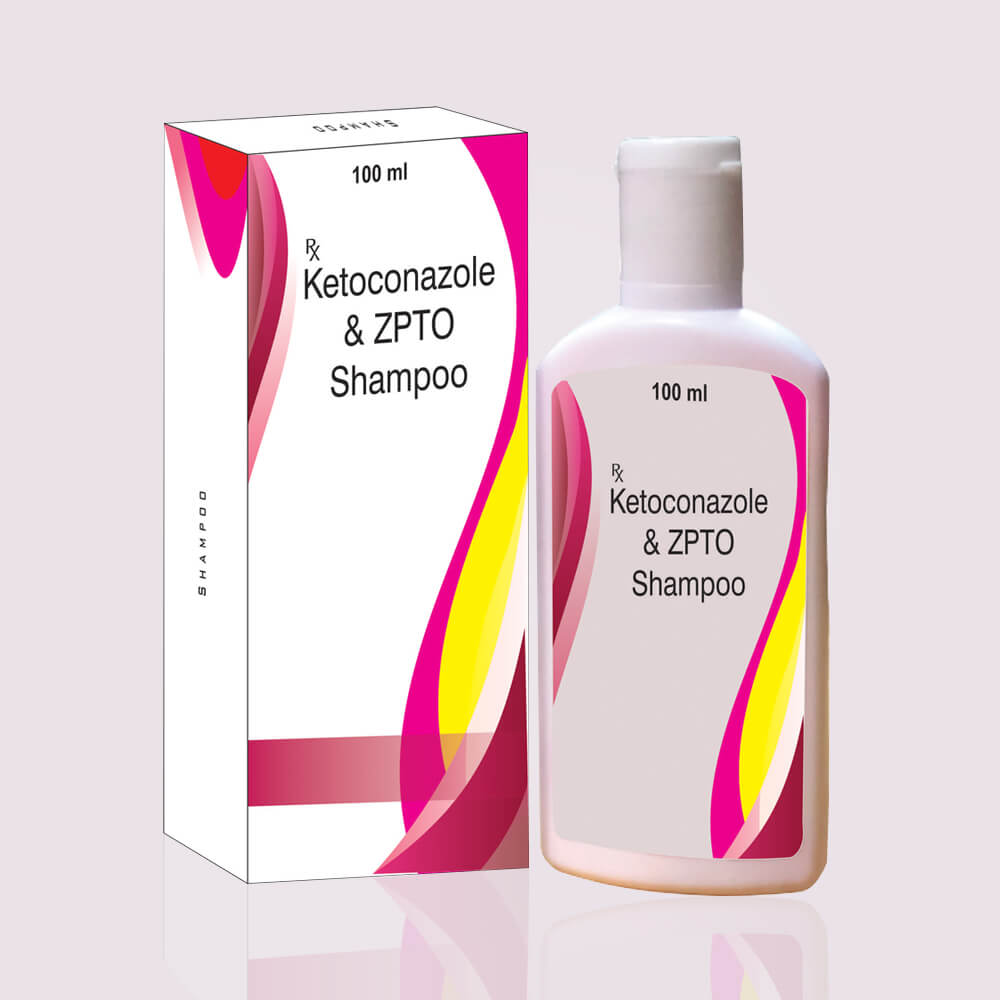
For persistent or heavy flakes I keep a medicated shampoo on hand: Head & Shoulders (pyrithione zinc) for routine control, Nizoral (ketoconazole) when fungus-driven flaking spikes, and Dove DermaCare Scalp for a gentler, hydrating option. Switching between a moisturizing cleanser and a medicated formula two or three times a week has been my go-to approach. Studies show ketoconazole is especially effective against the yeast that can cause dandruff.
Eat Omega-3 Rich Foods-

Finally, I hydrate from the inside, eat omega-3 rich foods, and avoid scratching; these small habits complement topical care.
Book an appointment-
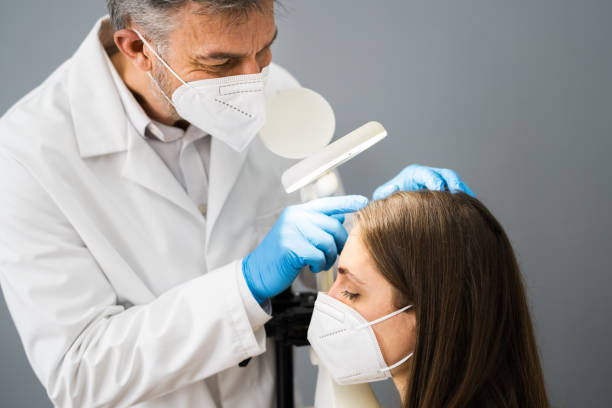
If flakes persist despite home care, I book a dermatologist visit, because sometimes what looks like dandruff needs prescription treatment.
This winter routine keeps my scalp calm and my hair feeling healthy gentle hydration, targeted medicated care when needed, and a bit of patience go a long way.