Trauma on mental health is a psychological reaction to events so terrible, cruel, or frightening that they seem impossible to cope with and cause a powerful mental impact, which eventually influences an individual’s psychological and emotional structure. This may lead to a wide range of reactions, from short-term to long-term disorders, eventually influencing overall health and day-to-day functioning.
Understanding Trauma
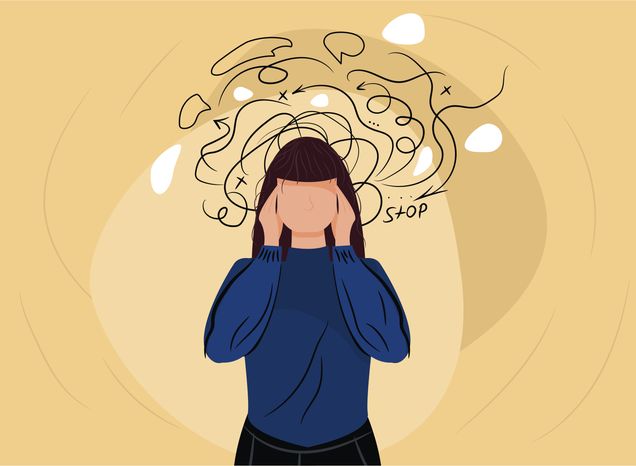
Trauma can be the result of several different sources: physical or sexual abuse, witnessing violence, disasters, significant personal loss, or other life-altering events. It can be from acute events, such as a motor vehicle accident, or chronic situations such as child abuse or neglect. As described above, people experience trauma uniquely, and what is traumatic for one person may not be for another. It is this variability that makes trauma such a complex phenomenon to deal with.
Immediate reactions to trauma
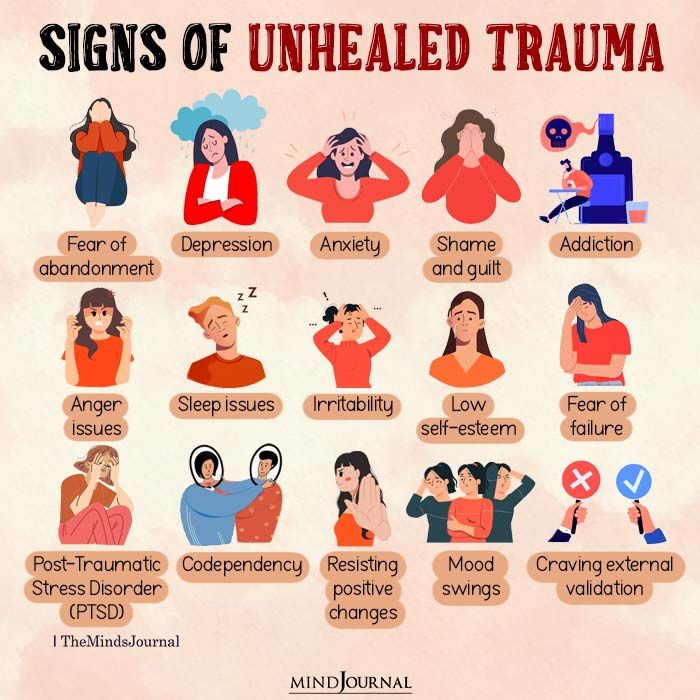
In the immediate times after a traumatic situation, an individual may feel different emotional reactions that include feelings of shock, disbelief, anger, and sadness. Other physical symptoms may involve headaches, fatigue, gastrointestinal problems, and many more. Such bodily responses are normal, and in some ways adaptive, mechanisms of the body responding to stress, as they help the individual adjust to the immediate effects of trauma.
Short-Term Psychological Effects
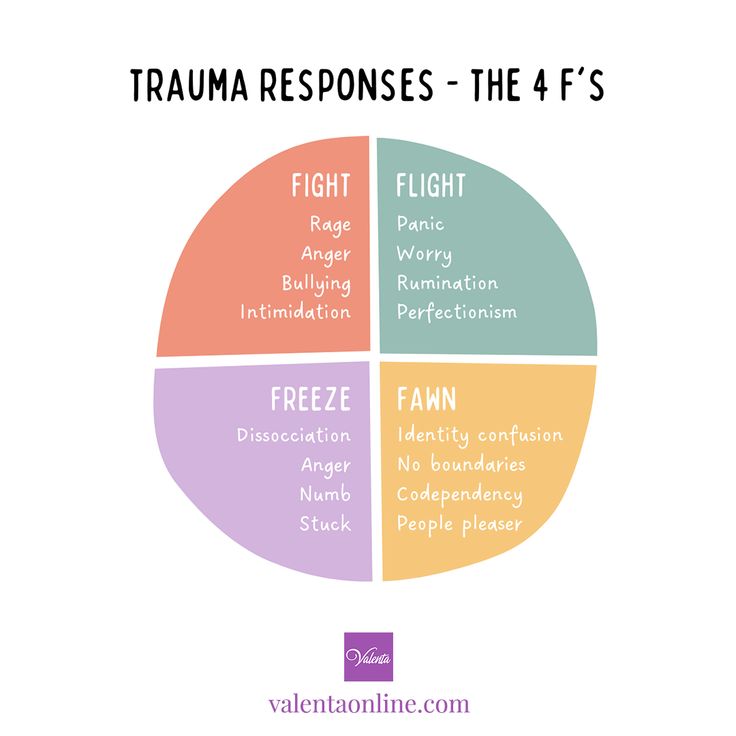
In the short term, trauma can lead to anxiety, depression, and PTSD. The anxiety can manifest itself in constant worrying, panic attacks, and hypervigilance—a state of being on edge, watching for further danger. Trauma-induced depression may take the form of persistent sadness, hopelessness, and a loss of interest in activities previously enjoyed. Intrusive memories, flashbacks, and nightmares can debilitate a person’s functioning normally, as it are formed into PTSD.
Long-term Effects
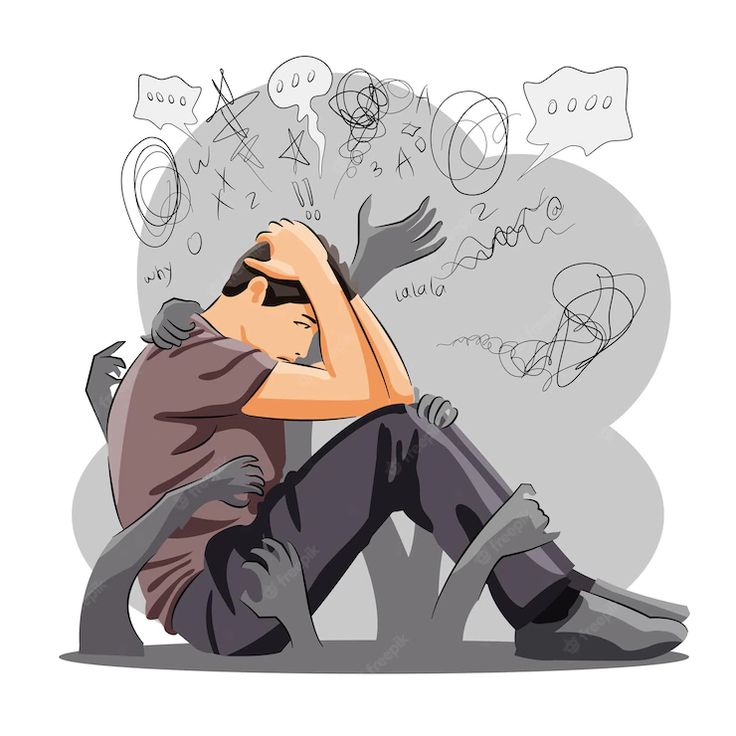
If not treated or addressed, the effects of trauma will evolve into chronic mental health conditions. If the body has undergone prolonged exposure to trauma, more so during the formative years, it may affect brain development together with emotional regulation. This could result in difficulties in relationship maintenance, stress management, or even the achievement of personal and professional goals. It could further result in complex PTSD with other symptoms such as affect dysregulation, feelings of worthlessness, and problems in interpersonal relationships.
The Role of Neurobiological Changes
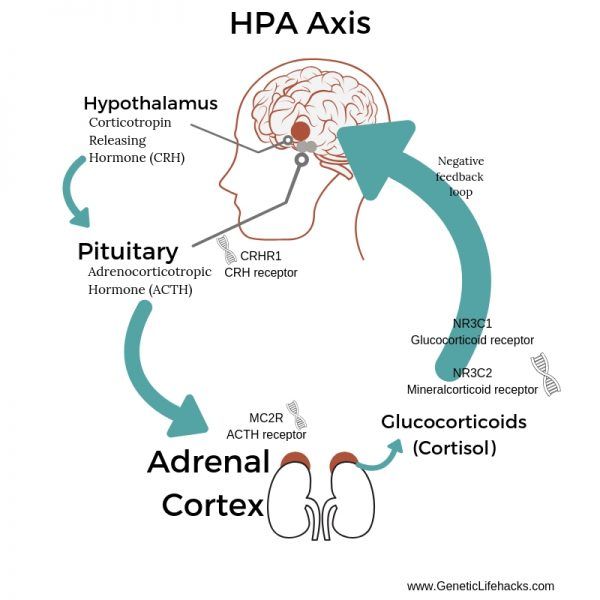
Trauma impacts the neurobiological systems of the brain, particularly those connected to the response to stress and the regulation of emotional functioning. As such, the HPA axis is not well-regulated, resulting in consistently elevated levels of cortisol. This will therefore impact the parts of the brain responsible for memories, the hippocampus, and emotions, the amygdala, thereby altering the way one may handle memory and feel one’s emotions.
Social and Behavioral Implications
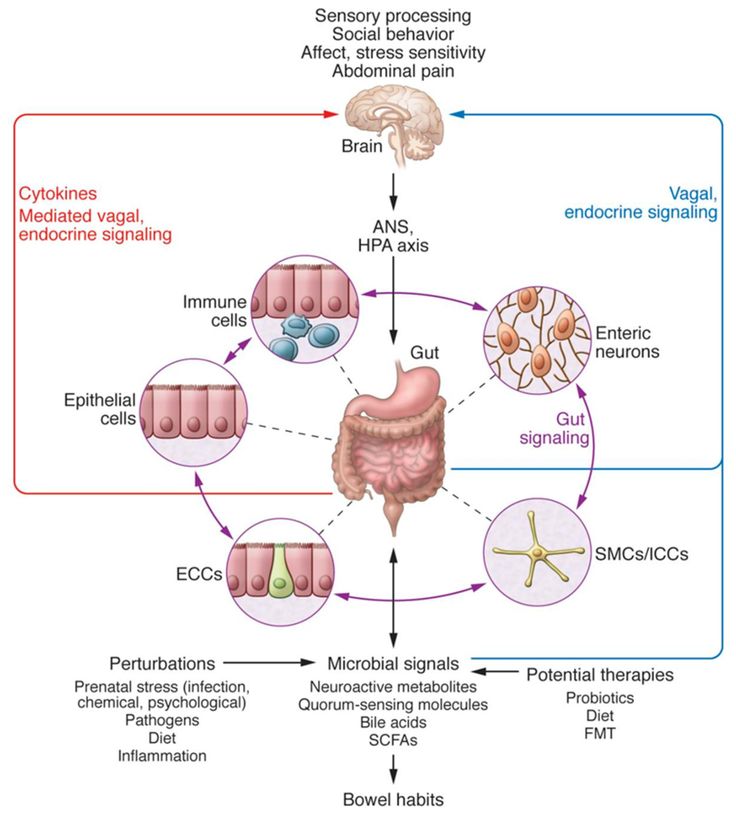
Trauma may also impact beyond the level of the individual, spilling over into social interactions and behavior. The ability to form attachments and sustain relationships may be disrupted by trust issues or oversensitivity to threat perception. Coping mechanisms involve riskier behaviors or even self-destruction. Interlocking with these mental health problems are social and behavioral pathologies that together present a cycle from which it becomes very hard to break free unless intervened.
Coping Mechanisms and Resilience
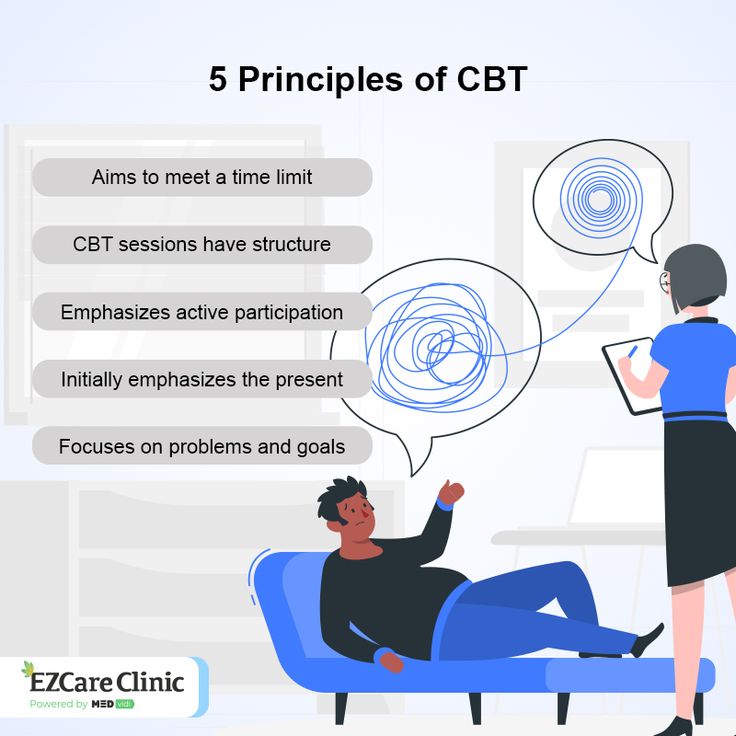
Trauma can be very impactful, but it also brings a potential for great human resilience. This is so because effective coping mechanisms and support systems for recovering from them exist. Resilience involves the ability to adapt positively despite adversity and may be facilitated by personal strengths, supportive relationships, or effective coping strategies. All the various forms of treatment, including cognitive-behavioral treatment, exposure therapy, or even trauma-focused therapy, will seek to ensure that patients indeed digest and integrate traumatic experiences to heal from them.
Importance of Support and Treatment
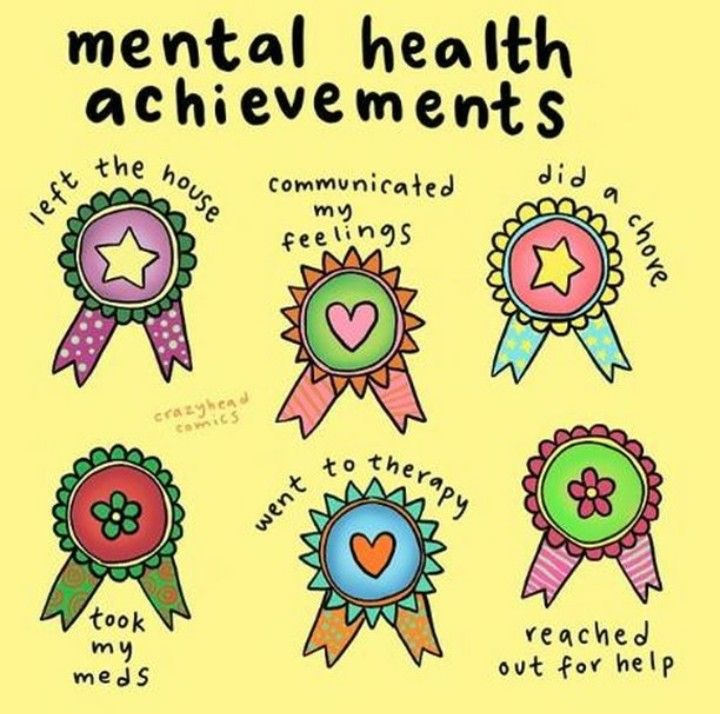
Treatment of trauma must, therefore, be multidimensional, involving professional mental health guidance, social support systems, and personal management techniques. A professional mental health expert will create a safe space to process your trauma and look for ways to cope. Family members and friends’ support is instrumental during recovery.
The same can be achieved when people are better equipped with education and awareness concerning trauma and its aftereffects. Understandably, it is through appreciation of the traumatic impact on mental health that one can help individuals, communities, and organizations work toward creating supportive environments that assist in healing and resilience building.
Conclusion:
The impact of trauma on mental health is deep and multifaceted, reaching all aspects of the emotional, cognitive, and behavioral functioning of individuals. While trauma can bring up very serious mental health challenges, understanding its effects and knowing how to seek proper support minimizes problems of recovery and builds resilience. Professional treatment combined with social support and personal coping strategies join forces to help reclaim well-being and be able to lead a fulfilling life again.