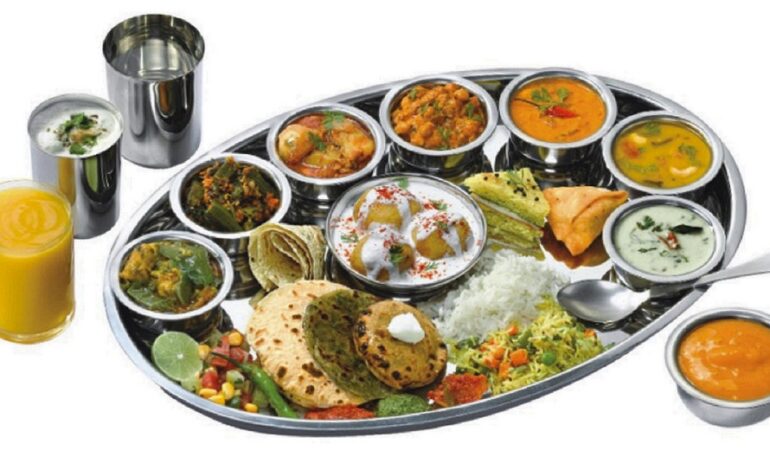
Maharashtrian Food Extravaganza At Mahe Global Kitchen Kormangala
Maharashtrian Food: Maharashtrian vegetarian cooking is a pigment-rich mosaic of spices, texture, and time-hallowed methodology of cooking suffused with the state’s traditional history. Truly, it is the disorderly street food tradition, especially of cities such as Mumbai, Pune, and Nashik, wherein street food reigns. From mythological Vada Pav, which is popularly referred to as the “Indian burger,” to the spicy and sour Misal Pav with sprouted lentils, farsan, and hot red curry, the choices are mouthwatering and satisfying. Sabudana Khichdi, which was the exclusive preserve of fasting days, is now a street food sensation, and Batata Vada, Kothimbir Vadi, and Thalipeeth show the creative use of locally available grains and vegetables. Even the humble Poha, a light flat rice eaten tempered with mustard seeds, turmeric, and curry leaves, is a comfort breakfast dish served piping hot on crowded street corners. Maharashtra’s veg street food may be convenient, yes, but also speaks to the state’s stinginess, its love for strong, comforting flavors, and a culture that revels in simple, but soul-warming meals. Mahe Global Kitchen Maharashtrian Food-Vaganza A touch of the Maharashtrian cuisine was tasted by Ms. Shrishti Jaiswal, Editor-in-Chief of TheStyle.World, at Mahe Restaurant in Bengaluru. Dressed up traditionally and tasted the Maharashtrian favorites with some influential peers. The menu was curated by Mrs. Prachi Badhe and it was nothing less than perfect. Be it a Vada Pav, Misal Pav, Sabudana Vada, or Sabudhana Khichdi everything was top-notch. The most amazing dish was the Aam Ras Puri; nothing beats the summer more than this fabulous dish, and a chilled sip of iced tea makes all the scorching from the heat go away. Pav Bhaji: The Simple Roots: Pav Bhaji and Its Evolution Pav Bhaji was initially invented in the 1850s in Bombay (now Mumbai) as laborer fast food. They required a filling, hearty, and cheap meal which could be prepared in a few seconds. Street vendors developed the idea of taking leftover vegetables, blending them with spices, and serving the mixture (bhaji) with butter-toasted soft bread rolls (pav). From Streets to Restaurant Dining: Evolution of Pav Bhaji The Pav Bhaji phenomenon, from being street food to becoming global comfort food, is nothing short of legendary. What started as a simple meal for the working class eventually got its place in each Mumbaikar’s heart, becoming an integral part of Indian cuisine. With the increase in its fan following, variations such as Cheese Pav Bhaji, Jain Pav Bhaji (no onion and garlic), Khada Pav Bhaji (chunky variant), and even Tandoori Pav Bhaji began to appear. A Hot Legacy: Origin of Misal Pav Misal Pav is a Maharastrrian dish with ancient roots in Maharashtra’s traditional homestyle cuisine. The term “misal” literally translates as “mixture,” which speaks of a spiced, lentil sprouted curry prepared predominately with moth beans (matki), accompanied by chopped tomatoes, onions, farsan (crisp toppings), coriander, and a burst of lime. It is accompaniment-free, served together with pav — soft bread buns butter-roasted. The Fiery Transformation: Evolution of Misal Pav Throughout the decades, Misal Pav developed from a domestic breakfast or afternoon snack to become street food darling and even an upmarket gourmet fare. Various local variations of this dish grew to include spicy superstar Kolhapuri Misal, the mildly flavoured Puneri Misal, and pucker-inducing Nashik Misal, every variant with their individual rassa style and strength. The Origin of Sabudana Vada & Sabudana Khichdi View this post on Instagram A post shared by TheStyle.World (@thestyle.world) Sabudana Vada, a crunchy snack prepared using tapioca pearls (sabudana), mashed potatoes, peanuts, and soft spices, has its roots in Maharashtrian homes. It was prepared traditionally during Hindu fasting days (vrat or upvas), like Navratri or Ekadashi, when grains and lentils are not consumed. Biting into Culture: The Evolution of Sabudana Vada Sabudana Khichdi What was once simple fast food, Sabudana Vada and Sabudana Khichdi quickly became a valuable tea-time delicacy and staple on Maharashtrian tables. A few decades later, Sabudana Vada and Sabudana Khichdi graduated from home cooking to roadside stalls, railway stations, and cafes everywhere in India. These have a combination of crunch, spice, and comfort that has permitted it to transcend cultural boundaries. Origin of Vada Pav: Ashok Vaidya, a street food vendor, is credited as the innovative soul of Vada Pav, which is believed to have been conceived on the crowded streets of Mumbai during the 1960s and 1970s. He conceptualized a one-handed, quick-on-the-go snack in front of the Dadar station: a spicy batata vada, a deep-fried potato fritter, served within a pav with chutneys and fried green chillies. This would be perfect for the city and its ever-moving populace. The History of Vada Pav: Vada Pav has evolved into far more than a street food over the years. Inexpensive, robust, and full of life, it became synonymous with the energy of Mumbai as its popularity grew across Maharashtra and eventually across India. Gourmet versions soon came to be offered in upscale cafes and even at global food festivals. The Origin of Puri and Aamras Puri and Aamras is a soulful duo with roots that go deep into Indian tradition, particularly in the western states of Maharashtra and Gujarat. Puri, the puffed, deep-fried wheat bread, has been around for centuries, being referred to even in ancient Indian texts as festive or temple food. Aamras, “mango juice” in its most glorious, pulpy, rich incarnation, was a seasonal luxury during the hot summer months when mangoes — particularly alphonso or hapus — were plentiful. The History of Puri and Aamras Once a seasonal dish prepared only during mango season, Puri and Aamras has now become a year-round favorite in restaurants and homes. While previously enjoyed fresh at home — mangoes pulped and sieved by hand with love — restaurants and mithai shops started serving ready-made aamras, so it became more convenient to indulge. Conclusion: And so, the Maharashtrian Food Vaghzaana at Mahe Global Kitchen reached a flavorful conclusion—filling our hearts and leaving our plates happily scraped. Every bite, from hot misal to delicate modak,
Read More