Upcycling Textiles Benefits: Unique Clothing Materials

Upcycling Textiles Benefits: Unique Clothing Materials

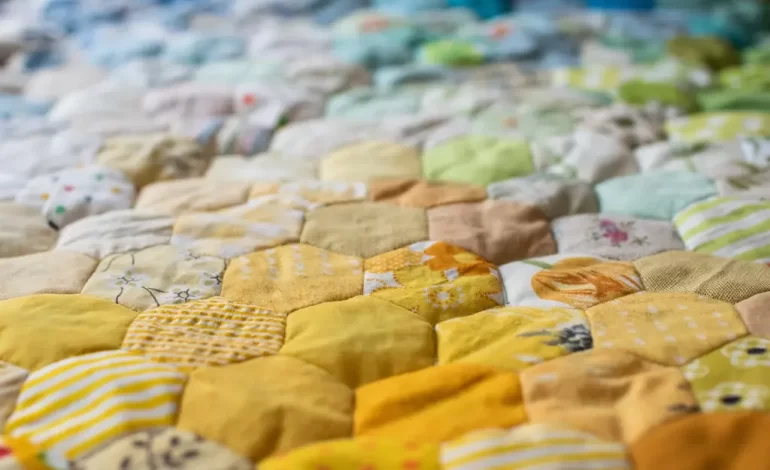
Upcycling Textiles Benefits: As global awareness for sustainability rises, fashion is changing for the better. Recycling—the practical use of waste materials in new works—is gradually becoming a new concept in clothing production. Find out how seriously fashion designers are currently taking the recycling of fabrics in order to design stunning fashionable wear. Allow me to take you on a tour of the realm of upcycling fashion and show you all that can be done by recycling trash into accessories.   Upcycling Textiles Benefits  Denim: Denim is one of the most popular fabrics in the world; they are reused in the production of trendy jackets, skirts, bags, etc. When it comes to jeans wear, distressing, or patchwork, the list of designs is never ending with denim at the core of it.   Textiles: Clothes can be made from old curtains, bed sheets, a bedspread, and even old upholstery fabric. Always try to focus on the various kinds of patterns and textures to be used, as well as colour combinations, so as to produce unique apparel.   Vintage Clothing: Combining new designs with your best old costumes for upcycling is such a great way to give new usages to old costumes. Blending different types of materials or cutting across generation and fashion periods will produce fashion styles that are the rarest of all.   Apart from increasing sustainability in the production of fabrics and textiles, upcycling also provides an innovative twist to most fabrics that we use for clothing. Through implementing upcycling, you can participate, help reduce the impact of fast fashion, and then also indulge in creativity with your own fashion positions.

Read More
 The Future Of Fashion: Exploring 3D-Printed Clothing And Smart Textiles

The Future Of Fashion: Exploring 3D-Printed Clothing And Smart Textiles

In this fast-moving and ever-changing world of fashion, with trends that come and go—trends that come and go—the rewritten paradigms seem to be interlaced into each fibre of our lives through technology. Intersecting fashion and technology is not some trend or another in the revolving door of trends; it’s a really meaningful change for the industry. Some of those innovations include 3D-Printed Clothing and smart textiles, in which creativity meets technology at its very cutting edge. We have not had a chance to witness such a fascinating amalgamation. 3D-Printed Clothing: Designing a Revolution in Production     It enables designers to create complex, bespoke garments that were impossible to make before. In other words, additive manufacturing builds objects layer by layer from digital models using materials such as plastics metals, and even bio-materials. This means very detailed, highly personalised pieces in the fashion industry—very redefining for traditional garment-making concepts. 3D-printed clothing offers many benefits, one of which is that it opens up complete innovation possibilities in design. With the ability to create complex structures and textures due to their realization being limited by conventional techniques of manufacturing, here designers can experiment. For example, Iris van Herpen is one of the very first designers to have made some really lovely collections using 3D-printed dresses that are more similar to intricate sculptures from another world than garments. Not only do they express a new level of design innovation but they also have the ability for new artistic expressions within fashion. Moreover, 3D printing is highly sustainable. Traditional garment manufacturing consists of many stages: patterning, cutting, and sewing—all having waste. In the process of 3D printing, garment construction is directly produced from digital files, which creates a very small quantity of material waste and enables on-demand production that significantly reduces overproduction and the amount of waste created by excess inventory and unsold goods. Furthermore, it opens up the platform for personalized fashion with 3D printing. Now, consumers can produce pieces that are tailored to their exact measurements and wishes, hence dismissing mass production of clothing that might not turn out to fit anyone perfectly. Customization at this level not only maximizes the individual’s style but also cuts down on the number of ill-fitting garments that usually go to the dump. Smart Textiles: The Future of Wearable Technology   Another radical development at the junction of fashion and technology is smart textiles or e-textiles. The inbuilt fabrics are equipped with sensors, actuators, and other electronic devices that empower them to react with the environment and send real-time data to the user. One important application of smart textiles lies in the field of health and fitness. Even though wearables themselves have found a wide variety of uses, from digital to physical, smart textiles take the concept one step further and integrate technology directly into the clothing. For instance, Hexoskin and Sensoria offer clothing embedded with sensors for tracking heartbeats, respiration, and general physical activities, among others. It provides the ability to monitor health without carrying around large, separate devices. Apart from health and fitness, smart textiles extend into the domains of safety and performance applications. For example, textiles embedded with LEDs can make a cyclist or runner more visible—and hence safe—in conditions when light is low. In the same way, adaptive textiles react to their environment—for example, by changing temperature and humidity—to give maximum comfort. Such adaptiveness is particularly useful in extreme situations, like those encountered by athletes or people who indulge in outdoor activities. Challenges and Future Prospects   Despite the somewhat challenging progress with inventions like 3D-printed clothes and smart textiles, the technology of 3D printing remains somewhat costly to be accessed by any other designers or consumers. In addition, there are issues about how durable and comfortable 3D printing garments will be in the long run and the necessity of further development in material science. Equally, some of the challenges smart textiles still face are battery life, connectivity, and integration within current fashion systems. One thing that remains a challenge within smart textiles is how robust and comfortable their electronic components can be for general diffusion. Conclusion  The future of fashion has merged with technological advancement to create an innovation wave that is redefining the fashion industry. 3D-printed clothing and smart fabrics are just part of the possible creations born from a crossbreed between fashion and technology. While these innovations are still unfolding, they already hold within them the ability to transform how we design, produce, and wear our clothes—ultimately leading us into a future where fashion shall stand not only as a means of expression but also as evidence of technological progress in times to come.

Read More
 Celebrating NGO That Support Textile Industries of India On The Frontlines

Celebrating NGO That Support Textile Industries of India On The Frontlines

Celebrating NGOs on the Frontlines of India’s Textile Renaissance Celebrating NGOs on the Frontlines of India’s Textile As the world commemorates NGO Day on February 27th, we shine a spotlight on the unsung heroes driving change within India’s vibrant textile industry. Beyond the intricate weaves and rich hues lies a tapestry of stories where NGOs play a pivotal role in preserving heritage, empowering artisans, and fostering sustainable practices. Join us as we delve into the inspiring initiatives and impactful interventions that are weaving a brighter future for Indian textiles, one thread at a time. The artisans of Indian handlooms and handicrafts could use all the assistance they can get. These NGOs and organisations are making a small effort to prevent the extinction of these ancient customs. 1. Aadyam Handwoven An initiative of the Aditya Birla Group, Aadyam Handwoven is a social cause that attempts to create a self-sustaining ecosystem for the most gifted artisans in the country. They currently work with three weaver communities in India: Varanasi, Pochampally, and Bhuj. The organization helps weavers by opening up new markets and ensuring benefits that will create value for the community. 2. 200 Million Artisans This initiative is dedicated to the 200 million people who depend on craft for their livelihood. As an impact-first ecosystem enabler, they partner with organisations to generate insight and inspire action that will benefit the artisan ecosystem. They have registered a huge impact through their work, with 30+ fundraisers showcased, raising $30,000 and positively influencing 10,000 artisans across 13 states. 3. Creative Dignity Creative Dignity is a movement that has brought together over 500 diverse creative producers, small enterprises, civil society organisations and professionals to support artisans and uplift them, particularly in the COVID-19 era. They focus on providing relief and work towards the rehabilitation and rejuvenation of artisans to ensure their sustainable prosperity. 4. All India Artisans and Craftworkers Welfare Association All India Artisans and Craftworkers Welfare Association (AIACA) is a membership-based non-profit organisation, AIACA was established in 2004. Ever since, they have been working towards the preservation of India’s diverse handloom and handicraft sectors. AIACA engages in policy research and advocacy, implementing a range of programmes that uplift craft producers, and provide them with access to mainstream markets. 5. Dastkari Haat Samiti This is a national association of craftsperson’s that hail from regions all over India. Jaya Jaitley, a social and political activist, established it in 1986. Since then, it has helped artisans gain the dignity and self-confidence to have their own voice. Today, the collective has more than 1,600 members, including individual artists and organisations. They are also the brain behind the ever-popular Dilli Haat, a haat-style market located in India’s capital city, that helps traditional artisans market their products. 6. Craft Revival Trust   The Craft Revival Trust, established in 1999, is a non-profit organisation that has been relentlessly working towards the revival of folk art, crafts, and textiles, and their practitioners. Some of their most prominent initiatives include Asia InCH, under which there has been the creation of an encyclopedia and resource base for the craft and textile sector. Researchers, students, and customers from all over the world can easily access the information, which is also a repository of knowledge for artisans and weavers. 7. Industree Foundation Started in 2000, the Industree Foundation tackles poverty through the creation of an ownership-based, organised creative manufacturing ecosystem for women. The organisation works with women entrepreneurs and artisans, particularly those who belong to the marginalised communities in Karnataka, Tamil Nadu, Odisha, and even Ethiopia. Through their interventions, the Foundation has impacted over 50,00,000 producers over the last two decades. Moreover, they have created markets worth USD 58 million. That is how this year we are celebrating World NGO Day; we are reminding the nation about those silent heroes who are making the textiles and crafting industries better for the world!  

Read More