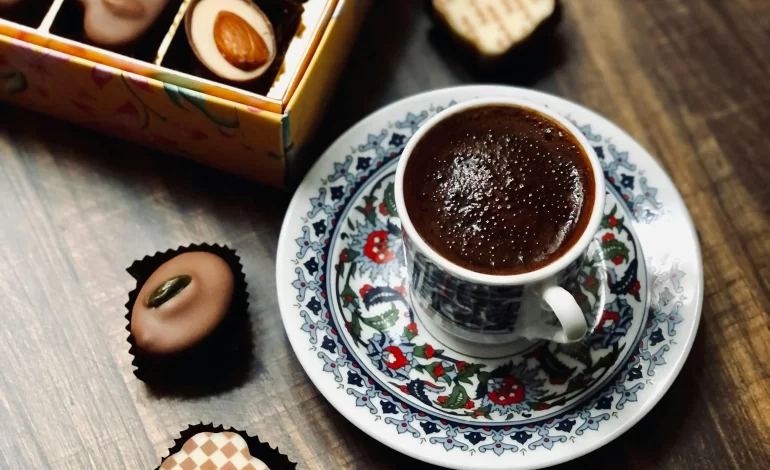
Unique Ideas To Present Tea/Coffee To Your Guests

Unique Ideas To Present Tea/Coffee To Your Guests

Though serving tea/coffee seems a very simple thing, it is more about offering a warm beverage; rather, it is an experience that speaks volumes about the host and their taste. Be it an informal gathering or a formal one, presenting tea or coffee thoughtfully leaves a lasting impression on one’s guests. Here are a few unique ideas to present tea or coffee in a much more elevated manner. Tea/Coffee Serving Ideas: Thematic Serving Trays Probably one of the easiest yet most effective ways of presenting the tea or coffee is with a nicely set serving tray. The idea behind this concept involves making everything perfectly coordinated according to the occasion or the season, not to mention the general outlook of your gathering. How to do it: Choose a Theme: A spring garden for brunch or a rustically set winter for an evening get-together would be themed to consider. Accent with Decor: Add small decorative items, like a vintage teaspoon, a tiny vase with flowers, or just a scented candle, to set an ambiance. Coordinate Colours: Make sure the color of your tray, napkins, and cups blend well. A classic example would be white porcelain cups on a wooden tray, laid under some greenery for freshness. Personalised Mugs and Coasters It makes any occasion special. Serving your guests tea or coffee in personalised mugs or cups will make them feel extra special and a keepsake worth remembering. How to do it: Customised Mugs: You can get them with your guests’ names, initials, or quotes that would mean much. You may search for companies that do that, or if you are crafty enough, you can make it yourself with ceramic markers. Unique Coasters: These complement the mugs with personalised coasters. These could have engravings of names, dates, or even just a small word of appreciation. Add a Special Touch: Put inside each mug a small note, perhaps some quotes about friendship or just the simple message, “Enjoy Your Coffee”.   Interactive Coffee and Tea Stations Let the guests create their fancies at an interactive station, playful and creative, at your party. This is also one good option for bigger groups since every attendee will get a chance to prepare their drink precisely the way they like it. How to do it: Variety of Options: Create a station with choices between types of teas-green, black, herbal, or coffee—espresso, drip, and decaf.  Flavour Add-ins: Serve add-ins of your choice, like cinnamon sticks, grated nutmeg, pods of cardamom, fresh mint leaves, or lemon slices to give flavour.  Elegant Display: In nice glass jars or containers, each should have an elegant tag identifying what is in the container. Gourmet Accompaniments Accompanying tea or coffee with gourmet just elevates it. A good pairing will complement the flavours in the drink and make the occasion just special. How to do it: Sweet and Pastry: A variety of fresh-baked items could include things like scones, macrons, or biscotti. Consider mini desserts that complement the flavour of the tea or coffee, such as lemon tarts with green tea or chocolate truffles with espresso. Salty Bites: Add some savoury snacks, like finger sandwiches, cheese boards, or artisan crackers. Pair those with strong-flavored teas or weaker-sweet coffee. Serving Plate: Place accompaniments in an elegant serving dish, perhaps multi-tiered, and place it in the middle of your table. If wanted, garnish with fresh herbs or edible flowers to give an air of sophistication. Sophisticated Tea/Coffee Tasting Turn serving your tea or coffee into an educational and sensual experience by hosting a tasting session. It is ideal to be conducted with smaller groups present, as it will add an interactive and entertaining touch to the event. How to Do It: Teas/coffees on offer: A selection of loose-leaf teas or different single-origin coffees should be on offer. This, in the context of tea, maybe Darjeeling, Earl Grey, or Oolong; for coffee, this may be single-origin beans from various countries. Tasting Notes: Give your guests printed tasting notes on nicely printed cards or discuss them with your guests directly. Describe the flavour profiles, aromas, and origins of each selection and ask them to note their likes and dislikes. Tasting Glass: Tasting can also be made with small, transparent cups so that your guests can appreciate the color and clarity of the tea or coffee. Water and plain crackers can be provided in between tastings to refresh the palate. Conclusion The presentation of tea or coffee is an art in itself: themed trays, personalised touches, interactive stations, gourmet accompaniments, and even a taste-testing activity. Make it unforgettable by making a very basic setting unique, taking into consideration personal touches and the essence of the moment.  

Read More
 Different tea colors and reasons behind it on International Tea Day 2023

Different tea colors and reasons behind it on International Tea Day 2023

Different Types of Tea Colors  To add to the confusion, a tea may assume a variety of colours unrelated to its actual appellation. While it is generally true that yellow tea is yellow and red tea is red, the actual colour of a cup of tea may not always match the label. Only a few varieties of Japanese green tea are truly green, while the preponderance of green teas around the world are more yellow. Despite their orange coloration, raw puerh teas are often mislabeled as “dark tea” or “black tea.” Let’s classify the various hues of tea that you might encounter. 1. White Tea “Pale” tea, also known as white tea, is sometimes so pallid that it almost appears transparent. White teas, which are typically made from the buds of the tea plant and have names such as “silver needle” and “powdered cloud,” tend to have these tints. The colour of sun-dried tea bud blossoms is remarkably pastel. White or pale tea can be transparent to very faint beige in colour. White tea is the least processed of all the varieties. By harvesting and then sun-drying the leaves and buds, the oxidation process is delayed or stopped entirely. White tea derives its name from the plant’s white buds; however, the tea can be prepared with either old or juvenile leaves. 2.Yellow tea  These hues are among the most prevalent for tea. Green tea is the norm in both China and Japan, and the majority of it has a yellowish hue. Not the infusion but the colour of the leaves lends green tea its name. This is the rarest of the six different types of tea. Men huan, also known as sealing yellow, is a tea preparation technique analogous to the preparation of green tea. After being pan-fired, the leaves are enveloped in fabric to preserve their distinct aromas. This apparently distinguishes it from other green teas, as it conceals the characteristic grassiness. 3. Green Tea Green teas of both the light and dark green varieties are commonly regarded as the norm, but they are actually the exceptions. The only teas that consistently emerge this green are fukamushi or teas that have been thoroughly steamed. Green tea tints are also present in matcha green tea powder, which is produced by grinding dried tea leaves into a fine powder and then whisking it into hot water. When you consume the entire leaf, you receive more of the tea’s health benefits and its vibrant colours. No oxidation occurs in green tea. After being chosen, they are steamed for approximately one minute to prevent further oxidative deterioration. The tea retains its verdant hue and has grassier or more vegetal flavours. Did you know that when green tea is steeped, its colour can change to a dark brown hue? Learn the reason why by perusing this article. My green tea has changed colour; what happened? 4. Gyokuro tea Occasionally, Gyokuro tea, particularly when prepared as a cold infusion, can acquire these green tea hues. The protracted exposure to shade improves both the flavour and chlorophyll content of the tea. A high concentration of chlorophyll gives the foliage their vibrant green hue. Typically, the brewed tea is a pale yellowish green, but it can sometimes take on a more genuine green hue. This tea is only partially oxidised and is known as oolong. Although there are numerous varieties of oolong tea, the majority share common characteristics. The oxidation is initially sped up before being slowed down once more. Tea leaves can be harmed to bring enzymes to the leaf surface and expose them to oxygen, thereby accelerating the oxidation process. This initiates the oxidation process, which is subsequently slowed by heating. We recommend the Oolong Miyazaki Sabou to anyone looking for a superior Japanese oolong tea. 5. Orange Tea Tea is a type of beverage. Tea served with Orange Slices. This is an additional ubiquitous hue of tea. Orange tints are desirable in some types of oolong, white, and dark tea, but are indicative of poor quality in green tea. Orange infusions are typical of oolong tea, and white teas brewed primarily from the leaves as opposed to the blossoms will also produce an orange infusion. Raw puerh is typically orange in pigmentation, whereas aged puerh is typically black. 6. Red Tea Red tea is one of the few instances in which the colour of the tea and the type of tea correspond. The infusion of red tea, or “black tea,” as it is known in the West, is typically an intense crimson hue. Even though many red teas have already begun to trend towards brown, a closer look reveals a faint red hue when the cup is held up to the light. This may be one of the most visually attractive shades of tea! Despite being known as “Black Tea” in the English-speaking world, this tea variety is more commonly referred to as “Red Tea” or “Hong Cha” in most of Asia. After harvesting, this tea is allowed to oxidise naturally, as opposed to being boiled. As the foliage change colour, the wine takes on a beautiful hue of amber or crimson. This variety of tea is also known as “post-fermented” Although “Pu-erh” refers only to black teas produced in the Pu-erh region, this category includes the more popular Pu-erh tea. Dark tea, also known as “heicha,” is a more inclusive term. These teas should be compressed into cakes and aged for an optimal flavour. 7. Black Tea The hue of black tea is gloomy. Last but not least, black tea is the darkest tea variety. Black tea is known as “red tea” in China and Japan, adding to the already bewildering multitude of tea colours and varieties. This aligns the tea colours with their respective varieties. Heicha refers to post-fermented teas, also known as “dark tea.” The most well-known example of this variety of tea is Pu’erh, a black tea produced in Yunnan. A mature puerh tea’s infusion is as dark as

Read More
 International Tea Day 2023 and sustainability

International Tea Day 2023 and sustainability

Why consume tea? The Camellia sinensis plant is used to produce tea. After water, tea is the most consumed beverage in the globe. It is believed that tea originated in northeast India, north Myanmar, and southwest China, but the precise location is unknown. Tea has existed for a very long time. There is evidence that tea was ingested 5,000 years ago in China. Tea production and refining is a major source of income for millions of families in developing nations and is the primary source of subsistence for millions of impoverished families residing in a number of least developed nations. As a labor-intensive industry, the tea industry is a major source of income and export revenues for some of the world’s impoverished nations, as well as a major employer in remote and economically disadvantaged regions. As one of the most important cash commodities, tea can play a significant role in rural development, poverty reduction, and food security in developing nations. Due to the beverage’s anti-inflammatory, weight loss, and antioxidant properties, tea consumption can promote health and well-being. Furthermore, it has cultural significance in numerous societies. International Tea Day Reiterating the call from the Intergovernmental Group on Tea to direct greater efforts towards expanding demand, especially in tea-producing countries where per capita consumption is relatively low, and supporting efforts to address the declining per capita consumption in traditional importing countries, the General Assembly designated May 21 as International Tea Day. The Day will promote and nurture collective actions to implement activities in support of the sustainable production and consumption of tea, as well as raise awareness of its significance in the struggle against hunger and poverty. Tea and global warming Tea production is extremely susceptible to alterations in cultivation conditions. Tea can only be grown in very specific agroecological conditions and, consequently, in a small number of countries, many of which will be severely affected by climate change. Changes in temperature and precipitation patterns, as well as an increase in floods and droughts, are already impacting yields, tea product quality and prices, decreasing incomes and endangering rural livelihoods. The anticipated intensification of these climate changes necessitates immediate adaptation measures. Concurrently, there is a growing awareness of the need to reduce carbon emissions from tea production and refining in order to contribute to climate change mitigation. Therefore, tea-producing nations should incorporate both climate change adaptation and mitigation into their national tea development strategies.

Read More