The Allure Of Red: Why It Reigns Supreme In Bridal Attire

The Allure Of Red: Why It Reigns Supreme In Bridal Attire

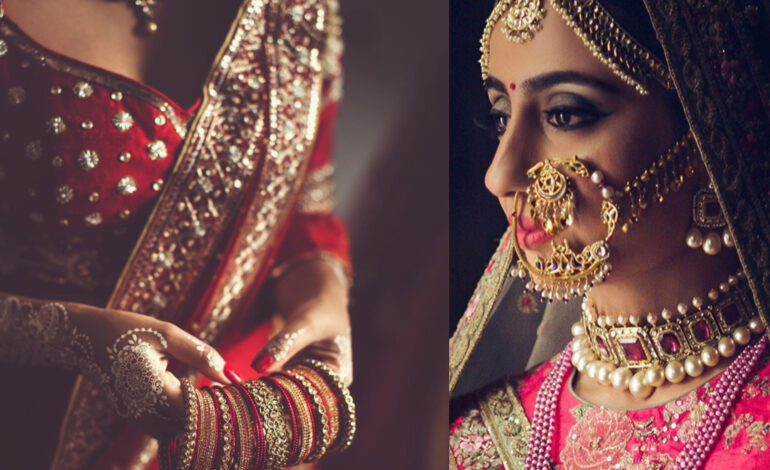
Continued… A Look at Red Bridal Traditions Around the World The tradition of red bridal wear manifests itself differently across various cultures in Asia, each with its own unique customs and symbolism: India: Red lehengas or sarees are the quintessential bridal attire in India. Often embellished with intricate embroidery and gold work, they represent opulence and tradition. The specific shade of red and the embellishments used can vary depending on the region and the bride’s heritage. For instance, brides in South India may opt for darker, maroon-toned silks, while brides in North India may favor brighter reds with gold embroidery. China: Traditionally, Chinese brides wore red silk dresses called qi zhuang. These elaborate gowns often featured intricate phoenix and dragon motifs, symbolizing auspiciousness and marital harmony. Today, many brides opt for modernized versions in red or incorporate red accents into their white wedding gowns.  Vietnam: Vietnamese brides often wear red silk ao dai, a traditional long tunic dress, for their wedding ceremonies. The ao dai is typically tailored to the bride’s figure and features rich embroidery and embellishments. The red color symbolizes good luck and happiness for the newlyweds. Japan: While white has become a popular choice in recent times, some Japanese brides still opt for red as a secondary wedding kimono color, symbolizing happiness and prosperity. This red kimono, called an uchikake, is typically worn over a white undershirt and features vibrant embroidery or auspicious motifs. Red Beyond Borders: Cultural Fusion and Modern Interpretations The tradition of red bridal wear isn’t confined to specific cultures. With globalization and increasing cultural exchange, we see a fascinating blend of traditions emerging in the world of weddings. Here are some interesting trends: Fusion Fashion: Modern brides are embracing cultural fusion, incorporating elements of red bridal wear from different cultures into their attire. For example, a bride with Chinese heritage might choose a red Vietnamese ao dai with phoenix embroidery, or an Indian bride might opt for a red lehenga with a Chinese-style dragon motif on the dupatta (veil). This allows brides to celebrate their diverse backgrounds and create unique and personalized wedding looks. Red Accents for the Non-Traditional Bride: Even brides who don’t choose a full red dress can incorporate the color into their wedding attire through subtle accents. This could be a red sash around a white gown, red embroidery on the bodice, or a vibrant red bouquet. These pops of red add a touch of personality and pay homage to the symbolism associated with the color. Red Wedding Photography: Red isn’t just about the bride’s attire! Couples are increasingly incorporating the color into their wedding photography. This can be done through the use of red props like umbrellas or lanterns, choosing a location with vibrant red backdrops, or playing with red filters during post-processing. Red Bridesmaids and Beyond: A Color for the Entire Wedding Party Traditionally, bridesmaids wore colors other than red to avoid overshadowing the bride. However, modern wedding trends are becoming more relaxed. Brides are now opting to dress their bridesmaids in red or incorporate red accents into their dresses. This creates a cohesive and visually stunning wedding party.  The Future of Red Bridal Wear: Tradition Evolves The tradition of red bridal wear is a testament to the enduring power of color and symbolism in cultural celebrations. As cultures continue to evolve and blend, it will be interesting to see how red bridal wear adapts and takes shape in the future. Here are some potential future trends: Sustainable Fabrics and Ethical Production: As environmental consciousness grows, brides may seek out red bridal wear made from sustainable fabrics and produced ethically. Technological Advancements: Technology might play a role in the future of red bridal wear. We could see the use of innovative fabrics with unique textures or colors, or the incorporation of interactive elements like light-up embroidery or personalized messages embedded in the red accents. Red Bridal Wear for All Genders: As gender norms become more fluid, we might see a rise in red bridal wear for all genders. This could involve red suits, tuxedos, or non-binary wedding attire that incorporates the symbolic power of red. Red: A Color Steeped in Tradition and Personal Expression The tradition of red bridal wear is more than just a color choice; it’s a cultural expression that carries deep meaning and symbolism. It’s a way for brides to connect with their heritage, honor traditions, and express their hopes and dreams for their future. Modern brides have the freedom to interpret this tradition in their own way, choosing shades of red, fabrics, and accessories that reflect their personality and style. Whether they opt for a classic red lehenga or a modern white gown with a red sash

Read More
 The Allure of Red: Why It Reigns Supreme in Bridal Attire

The Allure of Red: Why It Reigns Supreme in Bridal Attire

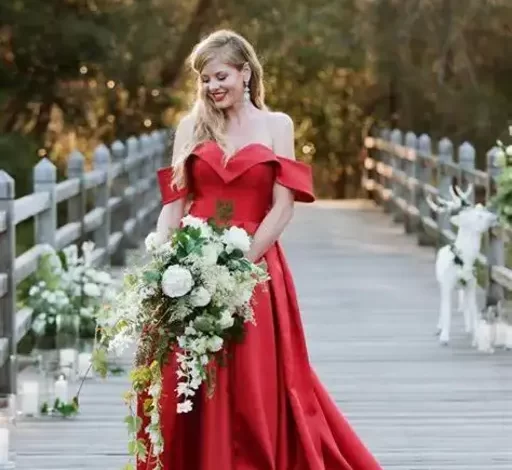
Red. A color that evokes strong emotions, from the fiery intensity of passion to the celebratory vibrancy of joy. It’s no surprise then, that red finds a special place in the world of weddings, particularly in cultures across Asia. But why is red so iconic for brides? The answer lies in a beautiful tapestry woven from history, symbolism, and cultural traditions. A Historical Look at Red in Bridal Wear While the tradition of red bridal attire is most prevalent in Asian cultures, its roots can be traced back further. Archaeological evidence suggests that red pigments were used in clothing as early as the 3rd millennium BC, with Indian monks and hermits incorporating the color into their attire. However, the association of red with brides in India emerged during the Mughal Era, around the 16th century. The Mughals, Muslim rulers of Indian descent, were known for their love of vibrant colors and rich fabrics. Their influence is believed to have played a significant role in establishing red as a preferred color for Indian brides. Red silks and brocades became a symbol of opulence and royalty, making them a desirable choice for weddings, which were often grand affairs. Symbolism: Unveiling the Power of Red The allure of red goes beyond its historical significance. It’s a color brimming with symbolism, making it a powerful choice for brides on their special day. Here’s a closer look at some of the key meanings associated with red in bridal attire: Love and Passion: Universally, red is linked to love and passion. It represents the deep emotional connection between the bride and groom, signifying the passionate new chapter they’re embarking on together. Red roses, a popular choice in wedding bouquets, further reinforce this symbolism. Prosperity and Fertility: In many Asian cultures, red is associated with good luck, prosperity, and fertility. Brides adorned in red are believed to bring auspiciousness to the union and ensure a future blessed with abundance and children. This belief stems from the color’s association with fire, a symbol of life and transformation. Strength and Power: Red is a bold and confident color. By wearing red, brides are seen as embodying these qualities, prepared to embrace the challenges and responsibilities of married life. In some cultures, red is also associated with protection, making it a symbolic shield. New Beginnings: The vibrant hue of red symbolizes new beginnings and fresh starts. It signifies the bride’s transition from her parental home to her new life with her spouse. This association aligns with the celebratory nature of weddings, marking the start of a new chapter in the bride’s life. Cultural Significance: In Hinduism, red holds special significance. It’s the color of sindoor, the vermillion powder applied on the bride’s parting of her hair after the wedding ceremony. This ritual signifies the bride’s marital status and blessings from the goddess Parvati. Red is also associated with Durga, the Hindu goddess of strength, protection, and new beginnings, making it an empowering choice for brides seeking blessings from the divine. Beyond Asia: A Global Embrace of Red While red is particularly prominent in Asian bridal traditions, its influence can be seen in other parts of the world as well. In some European cultures, brides traditionally wore red undergarments for good luck and fertility. These undergarments, often hidden from view, served as a secret symbol of the bride’s hopes for a prosperous future. Similarly, red accents or accessories like sashes or veils can also be incorporated into bridal attire across cultures for a touch of vibrancy and cultural flair. Modern Interpretations: A Spectrum of Reds The tradition of red bridal wear has beautifully evolved over time. Modern brides have a wider spectrum of reds to choose from, allowing them to personalize their look. From the classic deep reds that evoke royalty and tradition, to lighter shades like cherry or coral that offer a more youthful and playful vibe, there’s a red for every bride’s taste and complexion.  Beyond the Dress: The Power of Red Accessories Red’s influence extends beyond the wedding dress itself. Brides can incorporate the color into various aspects of their attire, adding depth and dimension to their overall look. Here are some ways brides can embrace the power of red accessories: Jewelry: Red gemstones like rubies, garnets, and spinels add a touch of elegance and sophistication. Shoes: Red shoes can be a bold statement piece, adding a pop of color and a touch of personality. Veils: A red veil can be a dramatic and symbolic addition to a bridal look. In some cultures, red veils represent modesty and purity, while in others, they symbolize good luck and prosperity. Hair Accessories: Red flowers or hairpins can be a beautiful way to incorporate the color into the bride’s hairstyle.    To be continued…

Read More
 Colour trends unleashing your creativity

Colour trends unleashing your creativity

Colour is a significant and widespread factor in our daily lives, impacting how we feel, thoughts, and behave. Colours, from the brilliant hues of a sunset to the calming tones of a quiet lake, are important in shaping our experiences and how people understand our surroundings. Colours are more than just tones in our spectrum; they are powerful forces that shape our experiences. They can impact what we wear, and eat, where we leave, and how we create. Imagine a runway empty of blazing reds and peaceful blues, a meal empty of the bright green of spring peas and the reddish flush of a ripe tomato, and a home inspired by the warmth of honeyed yellows and the peace of cool lavenders. Without colour, the world would be a dull place, lacking the life and depth that these silent poets bring into our lives. This voyage explores the interesting relationship between colour and our creative areas, including fashion, food, interiors, and the dynamic world of artistic expression. Let us look at how colours influence trends, tantalize tastes, modify spaces, and inspire artistic strokes. We’ll see how a shade can have cultural importance, provoke emotions, and even affect our decisions with an unconscious whisper. Prepare to be captivated by the power of colour, from the strong statement of a red garment on the runway to the calming glow of a sunset-hued living room. We will learn about the psychology behind each colour, the historical and cultural stories they tell, and how talented brains from various industries use their magic to create experiences that touch our hearts, minds, and senses. In the ever-changing world of style, colour plays an important role in shaping trends across industries. The year 2024 requires a colour palette that rules and crosses boundaries, affecting fashion, food, lifestyle, travel, interior design and many more.  Red The colour of fire and passion has a deep and broadened meaning in many facts of our lives. From the runway to the dinner plate, from exotic locales to comfortable living rooms, red excites our senses and elicits a wide range of emotions.  it also symbolizes action, strength, energy, and passion. Blue Blue is the second most strong colour and, like blue, the most popular. Blue conveys  peacefulness, coolness, and relaxed mental and physical vibes. Blue conveys a sense of devotion and trust. Blueness represents calmness in a person, drawing parallels with the vast sky and the tranquility of the waters. This colour signals the body to create molecules that have a relaxing effect. As a consequence, most logos and outfits feature tones of blue. orange Orange represents joy and adventure, and it is commonly used for hotels, travel companies, and resorts. It promotes social communication with firms since it is more welcoming than red.  On the positive side, orange is typically associated with optimism, confidence, passion, warmth, and agreeableness. Because it is a vibrant and vibrant colour, it may make people feel more outgoing or even daring. On the negative side, it may arouse feelings of superficiality, self-importance, or pride. GREEN Green symbolizes nature and brings to mind lush grass, trees, and forests. Green is frequently regarded as pleasant and calm. Other typical connections with green include money, luck, health, and jealousy. Wealth and prosperity in business outperform every other colour. As a result, dark green tones are suitable for financial websites. It is associated with drug and medicinal products safety, making it an excellent choice as a brand colour for companies in the health and wellness industries. Yellow Yellow is widely utilized in the children’s sector because it is fun and encourages creativity. In Western societies, it is the colour of joy. It also stimulates people to act quickly, making it a popular secondary shade to red in the fast-food business.  Yellow, the lightest colour on the spectrum, represents Joy, happiness, betrayal, optimism, caution, idealism, imagination, hope, sunshine, summer, gold, theology, dishonesty, indifference, jealousy, lies, illness, danger, and friendship.   Purple A shade of purple is frequently associated with the royal family, luxury, power, and ambition. Purple also stands for richness, luxury, creativity, wisdom, dignity, grandeur, devotion, peaceful pride, mystery, independence, and magic. Purple is usually used for things aimed at women or children, although it is growing more popular for male-targeted products. Pink Pink can be used in branding to offer an unexpected twist to a traditional design. This might also help you stand out from other businesses. Pink is the ideal colour for firms who want to make it clear that they are targeting a female audience.  Pink, which combines the passion of red and the purity of white, represents love, nuture, and compassion. It inspires sentiments of comfort, warmth, and hope. Pink is often associated with good health, as seen by the expression “in the pink.” It represents prosperity in the term “all things is rosy” and happiness in “tickled pink.” WHITE  White is a sign of cleanliness, purity, innocence, and perfection. It is commonly employed by brands to convey efficiency and discipline. As a result, it is most commonly used by firms that specialise in baby products, medical services, and bathroom or kitchen appliances. Which colour to wear on which Day? The hardest task  in the morning is to decide what to wear, especially when your closet is stocked with gorgeous, colourful apparel. Colours play a significant influence in our lives. They affect our mood, emotions, and levels of energy. According to horoscope, each day of the week is ruled by a particular planet, and wearing colours linked with that planet can bring you luck and harmony. Understanding which colours work best for you based on Astrology might help you make better clothing and styling decisions. In this piece for the blog, we will discuss the hue to wear on each day of the week based on Astrology and the day’s ruling Monday: Red Tuesday: Blue Wednesday: Green Thursday: Purple Friday: Black Saturday: Beige or Brown Sunday: White Colours offer more than just look good; they define fashion trends, influence

Read More