
Sustainable Living: Top Design Trends for Concept Homes in 2024

Sustainable Living: Top Design Trends for Concept Homes in 2024

Sustainable living with the changes in the global outlook on people’s environmental impacts, green living is now a standard in housing. Concept homes present themselves as homes that emphasis the idea, that innovation Sustainable living and a healthy planet are changing the way people live their lives in relation to the environment. It is time to discuss interesting trends that influence these green secluded spaces. Passive Solar Design: Harnessing Natural Energy Passive solar design is one of the biggest impacts in sustainable architecture today. Through correct positioning of windows and the use of thermal mass materials concept homes augment the utilization of natural light and heat thereby minimizing artificial energy. This approach has the advantage of directly supporting the goals of sustainable living making homes efficient throughout the year. Recycled Materials: Beauty in Repurposing Why waste when you can reuse? Eco-friendly design includes the use of recycled or recycled material such as wood, steel or glass. These not only decorate homes in a very special way but also help to reduce the CO2 emissions from the construction industry which is a big issue when using conventional systems. Vegetative Rooftops and the Vertical Garden Roof gardening or the use of green roofs and vertical gardens are slowly becoming must-have features in green homes. These features help to make the building more insulated and cleaner, and they add some natural aesthetics to cities. These concept homes evoke the image of nature in combination with the best modern concepts of roofing solutions. Smart technology ties with sustainability The advancement of smart home technology has now provided energy energy-efficient way of living smartly. Smart devices such as smart thermostats, intelligent lighting and IoT-based energy meters for home help save on the utilities while keeping the humans comfortable at the same time. All these are good examples that go to show that one can build green homes that suit the contemporary way of life. Biophilic Design: Bringing the Outdoors In Biophilic design aims to enhance the relationship between humans and nature in the built environment. Green features in concept homes are big windows, indoor plants, and the use of natural building materials to enhance calm and green living. This trend contributes as well to the improvement of well-being, as well as to the support of the values advocated by the militancy for the environmental cause. Net-Zero Energy Homes: The Future of Housing   Net-zero homes create the environment inside the house and utilise solar systems or any other renewable resource so that the amount of electricity produced is equal to the amount consumed. This radical concept guarantees that homes are sustainability-focused, and independent from the overt control of the outside world, making architects significant leaders in the shift to sustainable designs.

Read More
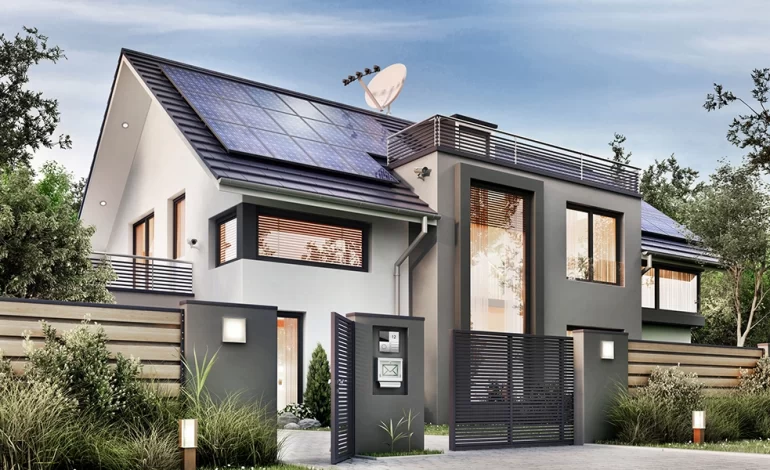

 The Growth of Energy-Efficient Homes in Real Estate Markets: A Green Revolution

The Growth of Energy-Efficient Homes in Real Estate Markets: A Green Revolution

Energy-efficient homes have been in very high demand during the recent past, thus resulting in a significant trend that is becoming prevalent in real estate markets worldwide. This is so because of increasing climate concerns and rising costs associated with energy consumption. This trend, therefore, is fast becoming the priority for buyers and developers alike. Not only is this trend green, but it’s also quite pocket-friendly, making energy-efficient houses a very promising investment for contemporary homeowners. What Do Energy-Efficient Homes Look Like? They conserve energy with minor comfort compromise. Almost all the buildings possess some of the following essential factors, which incorporate quality insulation, energy-efficient windows, solar power, and even smart thermostats. Amongst such buildings, appliances and lighting products used in the furniture are also of high rank, thereby conserving huge amounts of electricity. Water-saving fixtures and water harvesting based on rain too contribute to the resource efficiency, making it even more appealing. Why so much interest in Energy-Efficient Homes? Cost Savings: This highly minimizes utility bills. While even electricity bills may go up to 30% if using the help of solar power and smart energy systems, it does make sense as a financial investment in the long run. Environmental Impact: The environmentally conscious consumer is driving the demand to reduce carbon footprints, and this boosts the demand for sustainable living options. Government Incentives: Sometimes, governments provide homeownership tax rebates, subsidies, or low-interest loans on energy-efficient home upgrades. Market Value: These types of homes sell much quicker and at a higher price and return excellent resale value. Impact In Real Estate Markets Developers are incorporating more and more green building practices, realizing the growing significance of the uprising demand. Energy-efficient apartments and smart homes increasingly take over the markets in urban centers, and eco-friendly design is increasingly available in the suburban communities, too. Homebuyers find nearly 70 percent prefer an energy-efficient property, according to the National Association of Home Builders. There is little indication that the energy-efficient home phenomenon will slow down at any time soon. With net-zero homes that produce as much energy as they use, the trend is on; advancements in renewable energy and smart home technologies will make sustainable living even more accessible and affordable.   Conclusion Growth in energy-efficient homes turns real estate markets around by combining sustainability with economic advantage; it represents the future of real estate-from value, to comfort, and eventually, to greener ways-whether one is a homeowner or an investor.

Read More